Top AI Trends in 2026 That Will Shape the Future of Technology
Exploring the future of AI technology in 2026.
8 min read • 1,634 words
Table of Contents
ToggleTop AI Trends in 2026 That Will Shape the Future of Technology
As we look ahead to 2026, the landscape of artificial intelligence is poised for transformative changes that will significantly impact various sectors. Understanding the Top AI Trends 2026 is essential for businesses, educators, and healthcare providers who wish to stay ahead in an increasingly competitive environment. This article will explore how AI will enhance personalized learning experiences in education, revolutionize content creation through generative AI, and improve healthcare diagnostics and patient care with predictive analytics.
Moreover, we will delve into the advancements in robotic process automation (RPA) that will streamline complex business processes, making them more efficient. As AI systems become more integrated into society, the importance of AI ethics and governance frameworks will also be highlighted. Readers will gain insights into these trends and learn how to leverage them for future success in their respective fields.
AI-Powered Automation
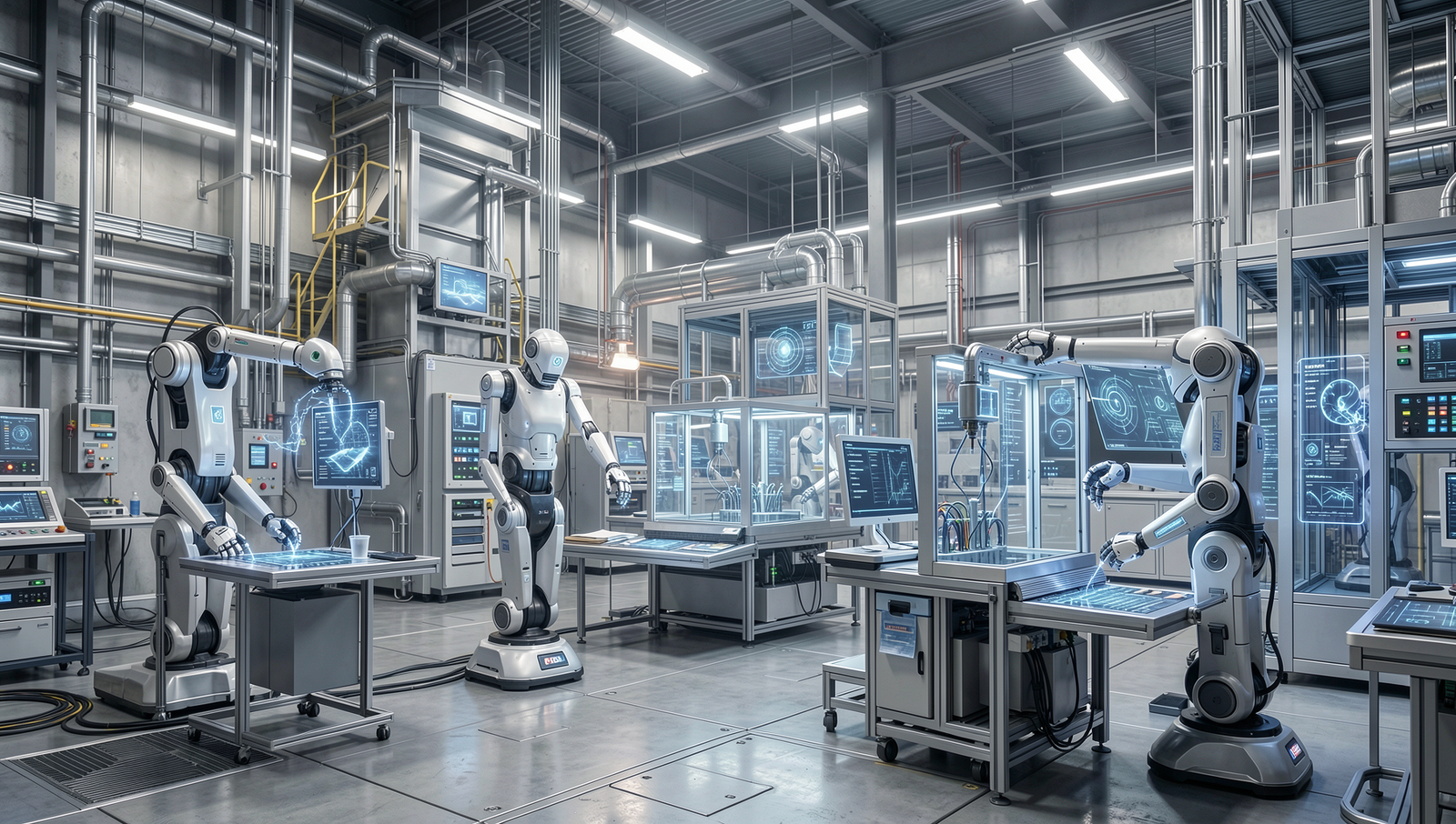
As we look towards the future, one of the most significant Top AI Trends 2026 is the increased adoption of AI-powered automation across various industries. This shift is particularly evident in manufacturing processes, where AI technologies are being utilized to enhance efficiency and productivity. By integrating AI into production lines, companies can optimize operations, reduce waste, and improve overall output quality.
For instance, AI algorithms can analyze data from machinery in real-time, predicting maintenance needs before they become critical issues. This predictive maintenance not only minimizes downtime but also extends the lifespan of equipment, leading to substantial cost savings. Furthermore, AI can facilitate adaptive manufacturing, allowing production systems to adjust dynamically based on demand fluctuations.
Another area where AI is making a significant impact is in supply chain management. AI-driven systems enable real-time decision-making by analyzing vast amounts of data from various sources, such as market trends, inventory levels, and consumer behavior. This capability allows businesses to respond swiftly to changes, ensuring that supply chains remain agile and efficient. For example, companies can use AI to forecast demand more accurately, optimizing inventory levels and reducing excess stock.
Additionally, robotic process automation (RPA) is transforming administrative tasks across organizations. By automating repetitive and time-consuming processes, RPA frees up employees to focus on more strategic initiatives. For example, RPA can handle tasks such as data entry, invoice processing, and customer service inquiries, significantly improving operational efficiency.
- Enhanced efficiency in manufacturing through AI integration.
- Real-time decision-making in supply chain management.
- Streamlined administrative tasks via robotic process automation.
These advancements in AI-powered automation are not just trends; they represent a fundamental shift in how businesses operate, paving the way for a more efficient and responsive technological landscape in 2026 and beyond.

Ethical AI and Governance
As we look towards the future, particularly in 2026, one of the most significant trends shaping technology will be the emphasis on ethical AI and governance. The rapid advancement of artificial intelligence has raised numerous ethical concerns, necessitating the development of frameworks that ensure responsible AI usage. These frameworks will serve as guidelines for developers and organizations, promoting the creation of AI systems that prioritize human values and societal well-being.
One of the key components of ethical AI is the increased focus on transparency and accountability in AI algorithms. Stakeholders, including developers, businesses, and consumers, are demanding clarity on how AI systems make decisions. This demand has led to the establishment of practices such as algorithmic audits, where AI systems are regularly evaluated for biases and fairness. For instance, companies are now implementing tools that allow users to understand the reasoning behind AI decisions, fostering trust and confidence in these technologies.
Moreover, regulatory bodies are stepping up to establish guidelines for ethical AI deployment. These regulations aim to create a standardized approach to AI ethics, ensuring that all AI applications adhere to principles of fairness, accountability, and transparency. Countries like the European Union are at the forefront of this movement, proposing comprehensive legislation that addresses the ethical implications of AI technology.
- Development of responsible AI frameworks.
- Implementation of algorithmic audits for transparency.
- Establishment of regulatory guidelines for ethical deployment.
- Public awareness campaigns to educate users about AI ethics.
In addition to regulatory measures, public awareness campaigns are becoming increasingly important. These campaigns aim to inform the general public about the implications of AI technology, encouraging informed discussions about its ethical use. As society becomes more aware of AI’s potential risks and benefits, the demand for ethical standards will continue to grow, making it one of the top AI trends in 2026.

AI in Healthcare
As we look ahead to 2026, the integration of artificial intelligence (AI) in healthcare is set to revolutionize the industry. One of the most significant advancements is in personalized medicine, where AI algorithms analyze vast amounts of data to tailor treatment plans to individual patients. This shift towards personalized care not only enhances the effectiveness of treatments but also minimizes adverse effects, leading to better patient outcomes.
AI-driven diagnostic tools are also making waves in the healthcare sector. These tools utilize machine learning algorithms to analyze medical images and patient data, significantly improving both accuracy and speed in diagnosing conditions. For instance, AI systems can detect early signs of diseases like cancer or heart conditions that might be missed by human eyes, thereby facilitating timely interventions.
Telemedicine has been greatly enhanced by AI technologies, particularly for remote patient monitoring. Patients can now be monitored in real-time through wearable devices that collect health data, which is then analyzed by AI systems. This capability allows healthcare providers to track patient progress, adjust treatment plans promptly, and even predict potential health issues before they escalate.
Another critical aspect of AI in healthcare is predictive analytics. By leveraging historical data and current health trends, AI can forecast patient outcomes and identify at-risk populations. This proactive approach enables healthcare systems to allocate resources more effectively and implement preventive measures, ultimately leading to a healthier society.
- Personalized treatment plans based on genetic and lifestyle data.
- AI tools for faster and more accurate diagnostics.
- Remote monitoring capabilities through AI-enhanced telemedicine.
- Predictive analytics for better resource management in healthcare.
In summary, the Top AI Trends 2026 in healthcare will not only improve patient care but also streamline operations within healthcare systems, paving the way for a more efficient and effective future.
AI and Augmented Reality (AR) Integration
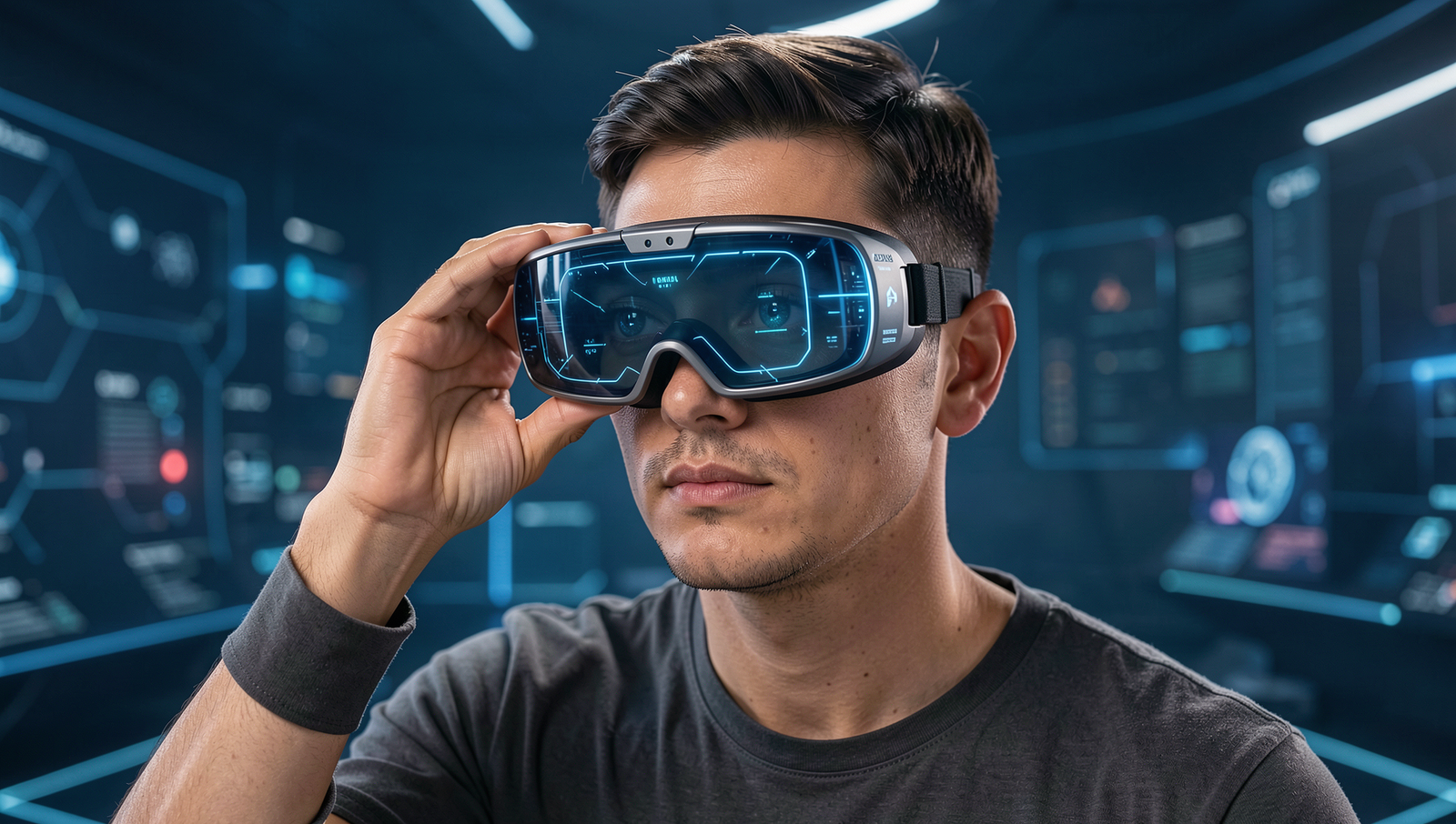
As we look ahead to 2026, one of the most exciting developments in technology is the integration of artificial intelligence (AI) with augmented reality (AR). This combination is set to revolutionize various sectors by enhancing user experiences and providing innovative solutions to everyday challenges. AI-driven AR applications are already beginning to reshape how we interact with our environments, and this trend is expected to accelerate in the coming years.
One of the key advancements will be the improvement of object recognition in AR environments through sophisticated AI algorithms. These algorithms will enable AR systems to identify and interact with real-world objects more accurately, creating seamless experiences for users. For instance, imagine wearing AR glasses that can instantly recognize a piece of furniture in your home and provide you with information about its design, history, or even suggest complementary items available for purchase online.
The training and education sectors are also poised to benefit significantly from the integration of AI and AR. Educational institutions can create immersive learning environments where students can engage with complex concepts in a more interactive manner. For example, medical students could use AR to visualize human anatomy in 3D, while AI could provide real-time feedback on their understanding and performance.
- Enhanced User Experiences: AR applications powered by AI will provide personalized content based on user preferences.
- Improved Object Recognition: AI algorithms will allow AR systems to better identify and interact with real-world objects.
- Immersive Learning: Training sectors will leverage AI and AR to create engaging educational experiences.
- Entertainment Industry: The gaming sector will utilize AI-driven AR to create more interactive and immersive gameplay.
In conclusion, the integration of AI and AR is one of the top AI trends for 2026, promising to enhance user experiences across various domains, from education to entertainment. As these technologies continue to evolve, we can expect to see remarkable innovations that will shape the future of technology.
Conclusion
As we look ahead to the Top AI Trends in 2026, it is clear that artificial intelligence will continue to revolutionize various sectors, enhancing efficiency and driving innovation. Key trends such as advanced natural language processing, AI-driven automation, and ethical AI practices will shape how businesses operate and interact with customers. These advancements promise to improve decision-making processes, streamline operations, and foster a more personalized experience for users. The integration of AI into everyday applications will not only boost productivity but also create new opportunities for growth and development across industries.
To fully harness the potential of these Top AI Trends in 2026, organizations must prioritize investment in AI technologies and talent. Embracing a culture of continuous learning and adaptation will be essential for staying competitive in this rapidly evolving landscape. By proactively addressing ethical considerations and ensuring transparency in AI systems, businesses can build trust with consumers and stakeholders. The future of technology is bright, and those who embrace these trends will be well-positioned to lead in the digital age.
Frequently Asked Questions
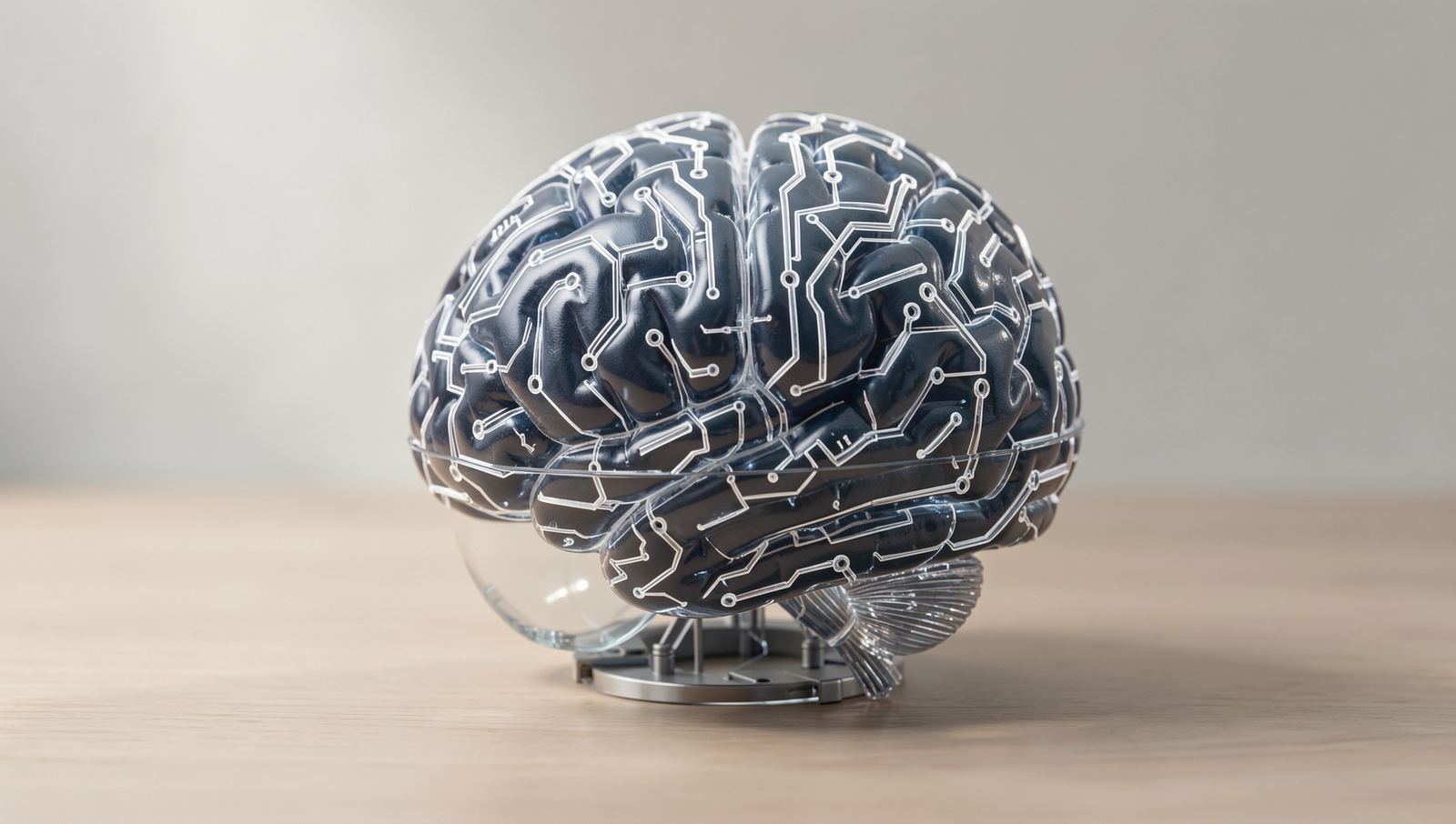
What are the top AI trends expected in 2026?
By 2026, we anticipate significant advancements in generative AI, edge computing, and AI ethics. These trends will enhance automation, improve decision-making processes, and ensure responsible AI usage, ultimately transforming various industries and daily life through smarter technology integration.
How will AI impact job markets by 2026?
AI is expected to reshape job markets by automating
About the Author