Best AI Productivity Tools in 2026 to Get More Done in Less Time
Explore the best AI tools for enhanced productivity in 2026.
8 min read • 1,640 words
Table of Contents
ToggleBest AI Productivity Tools in 2026 to Get More Done in Less Time
As we move into 2026, the landscape of productivity is rapidly evolving, driven by advancements in artificial intelligence. The Best AI Productivity Tools 2026 are designed to help individuals and teams streamline their workflows and maximize efficiency. With AI tools capable of automating repetitive tasks, users can expect to see an increase in productivity by up to 50%. This shift not only saves time but also allows professionals to focus on more strategic initiatives that require human creativity and insight.
In this article, readers will discover the most effective AI-driven tools that can transform their daily routines. From natural language processing that facilitates seamless communication with AI assistants to project management tools that can predict timelines with 90% accuracy, the future of work is here. Additionally, virtual collaboration platforms will integrate AI to enhance team productivity, while personalized workflows will adapt to individual user preferences and habits, making work more efficient than ever before.
Top AI Task Management Tools
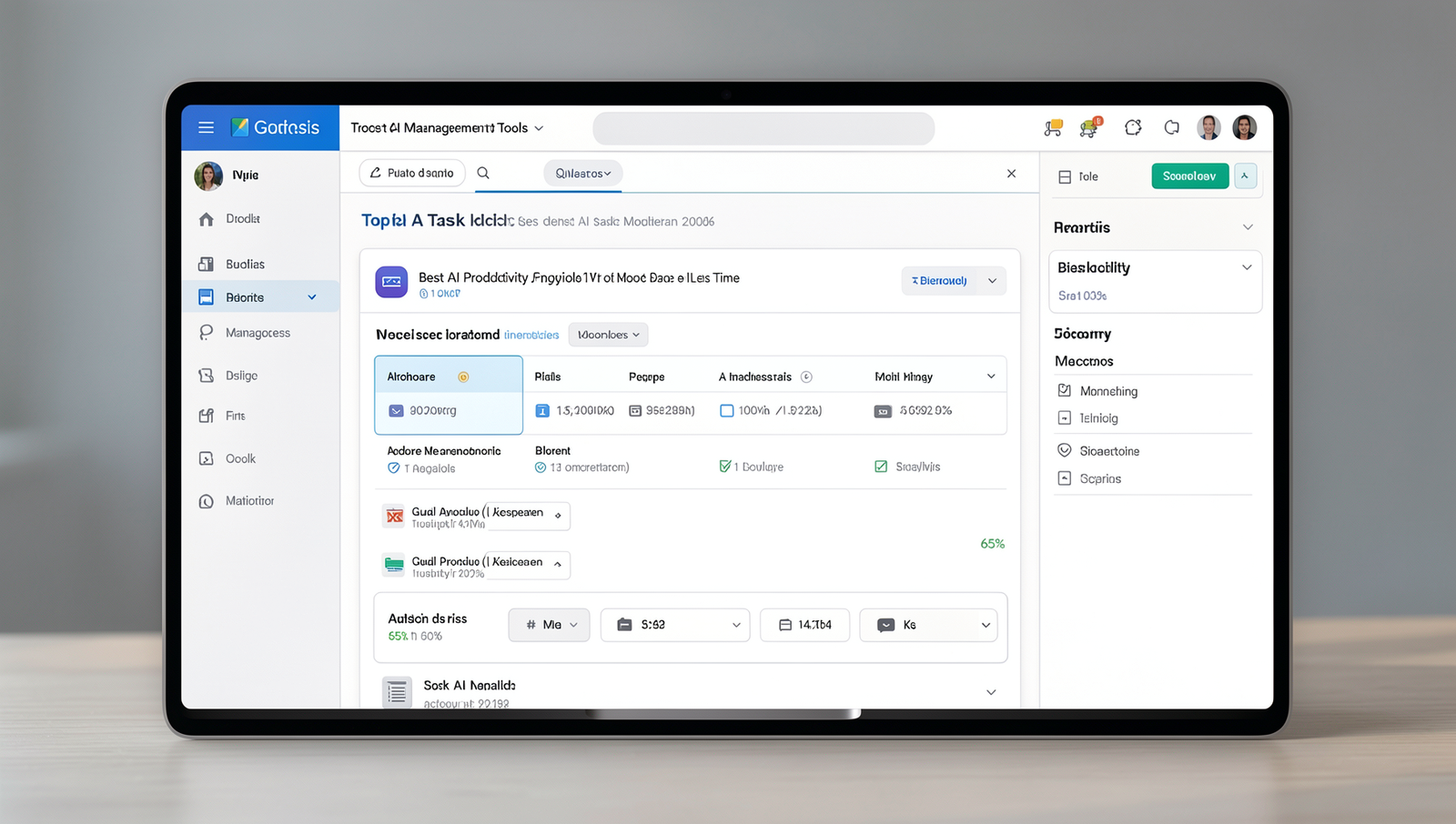
As we move into 2026, the landscape of productivity tools continues to evolve, with artificial intelligence playing a pivotal role in enhancing task management. AI-driven task management tools are designed to streamline workflows, prioritize tasks, and optimize time management, making them essential for individuals and teams looking to maximize their productivity. These tools leverage machine learning algorithms to analyze user behavior, predict task completion times, and suggest optimal schedules.
When evaluating AI task management tools in 2026, there are several key features to consider:
- Smart Prioritization: The ability to automatically rank tasks based on urgency and importance.
- Integration Capabilities: Seamless integration with other productivity tools and platforms.
- Collaboration Features: Tools that facilitate teamwork through shared task lists and real-time updates.
- Analytics and Reporting: Insights into productivity trends and task completion rates.
Two popular tools in the market, Todoist and Asana, offer unique features that cater to different user needs. Todoist is known for its simplicity and user-friendly interface, making it an excellent choice for individuals or small teams. It utilizes AI to suggest task deadlines and reminders based on user habits. On the other hand, Asana provides more robust project management features, ideal for larger teams that require detailed tracking and collaboration capabilities. Its AI functionalities include workload management and predictive task assignments.
User testimonials highlight the effectiveness of these tools. For instance, a marketing team using Asana reported a 30% increase in project completion rates after implementing the tool, while a freelancer utilizing Todoist noted that the smart prioritization feature helped them meet deadlines more consistently. These case studies underscore the impact of AI-driven task management tools in achieving productivity goals.

AI-Powered Time Tracking Solutions
In the fast-paced world of 2026, effective time management is crucial for maximizing productivity. Time tracking allows individuals and teams to understand how their hours are spent, identify inefficiencies, and optimize workflows. By keeping a detailed record of activities, users can pinpoint distractions and allocate their time more effectively, ultimately leading to enhanced productivity and better work-life balance.
Artificial Intelligence (AI) has revolutionized time tracking by improving accuracy and reducing the manual effort involved. Traditional time tracking methods often rely on self-reporting, which can lead to inaccuracies. AI-powered tools, however, automatically track time spent on various tasks and projects, providing real-time insights. These solutions utilize machine learning algorithms to analyze patterns in work habits, helping users to make data-driven decisions about their schedules.
Some of the leading AI time tracking apps in 2026 include:
- TimeBot: This app uses AI to categorize tasks and suggest optimal time slots based on user behavior.
- FocusTrack: FocusTrack employs AI to detect when users are distracted and offers recommendations to refocus.
- SmartTimer: This tool integrates with calendars and project management software, automatically logging time spent on tasks.
Integrating time tracking into daily routines can be seamless with a few practical tips. First, choose an AI time tracking app that aligns with your workflow and preferences. Next, set aside specific times during the day to review your tracked data, which can help you identify trends and areas for improvement. Finally, communicate with your team about the importance of time tracking, fostering a culture of accountability and productivity. By leveraging the best AI productivity tools in 2026, individuals and organizations can achieve more in less time.

Smart Collaboration Tools for Teams
In the fast-paced work environment of 2026, leveraging AI productivity tools has become essential for teams aiming to enhance collaboration and efficiency. The integration of artificial intelligence in team collaboration tools offers numerous benefits, including streamlined communication, improved project management, and enhanced decision-making capabilities. By automating routine tasks and providing intelligent insights, these tools allow team members to focus on more strategic initiatives.
One of the key features that improve communication and project management is real-time collaboration. Tools like Slack and Microsoft Teams utilize AI to facilitate instant messaging, video conferencing, and file sharing, ensuring that team members can connect seamlessly regardless of their location. These platforms also incorporate smart notifications that prioritize messages based on urgency and relevance, helping teams stay focused on what matters most.
- Automated Task Management: AI tools can automatically assign tasks based on team members’ workloads and expertise, ensuring that projects progress smoothly.
- Data-Driven Insights: AI analytics can provide insights into team performance, identifying bottlenecks and areas for improvement.
- Enhanced Scheduling: AI-driven scheduling assistants can find optimal meeting times, reducing the back-and-forth often associated with calendar management.
Examples of AI collaboration tools that stand out in 2026 include Slack, which offers integrations with various AI bots for task automation, and Microsoft Teams, which utilizes AI for transcription and translation services during meetings. These features not only enhance communication but also ensure inclusivity and accessibility for all team members.
To maximize team productivity with AI, it is essential to establish best practices. Encourage team members to embrace these tools fully by providing training sessions and resources. Regularly review and adjust workflows to incorporate AI capabilities, ensuring that the tools are used to their full potential. By fostering a culture of collaboration and continuous improvement, teams can significantly enhance their productivity and achieve their goals more efficiently.
AI-Enhanced Personal Assistants
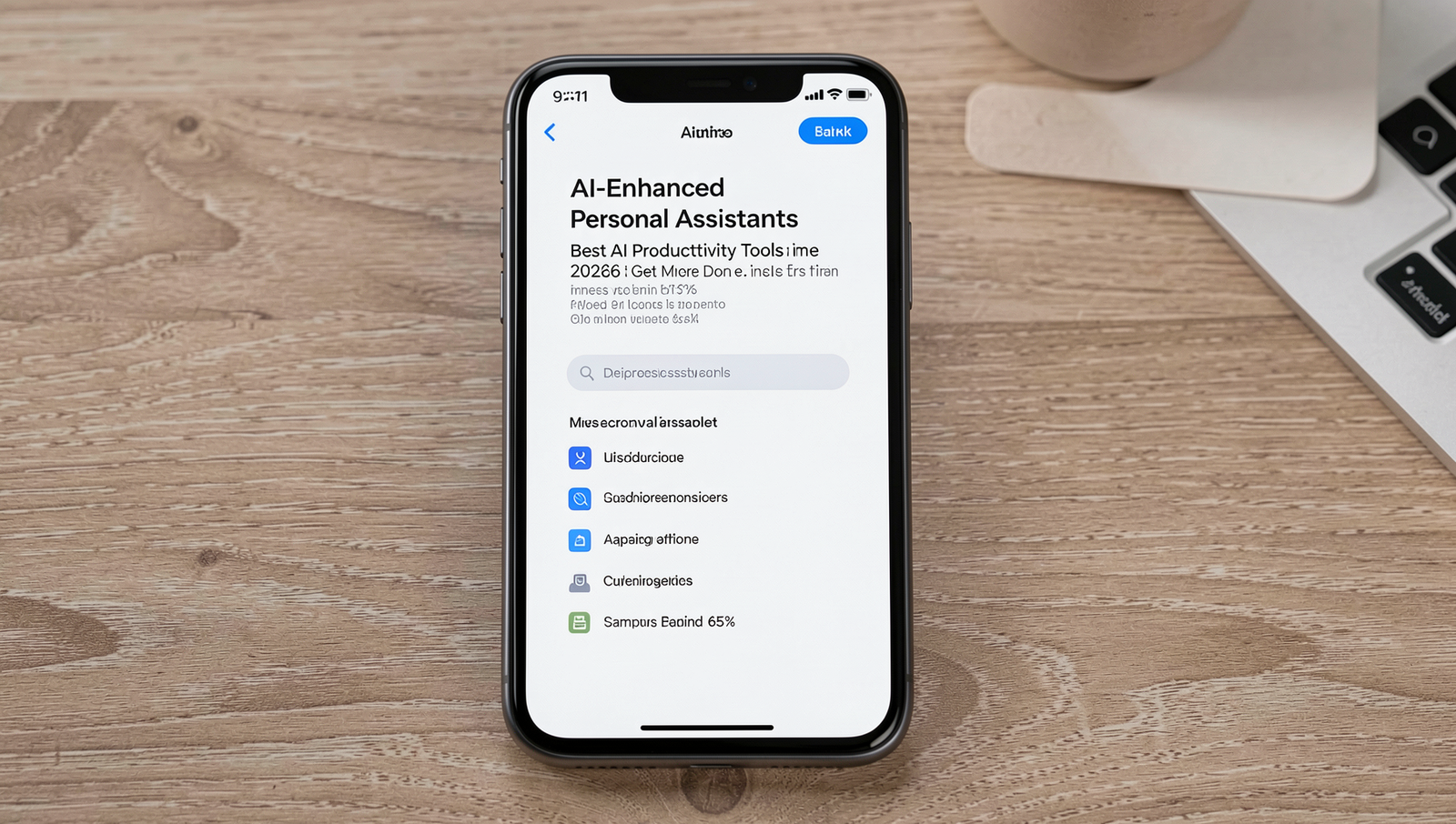
In the fast-paced world of 2026, AI-enhanced personal assistants have become indispensable tools for improving daily productivity. These intelligent systems are designed to help users manage their schedules, set reminders, and even automate mundane tasks. By leveraging natural language processing and machine learning, AI personal assistants can understand user preferences and adapt to their needs, making them more effective than ever before.
When comparing popular AI assistants like Siri and Google Assistant, it’s essential to consider their unique features. Siri, integrated into Apple devices, excels in seamless connectivity with the Apple ecosystem, allowing users to control smart home devices and access Apple services effortlessly. On the other hand, Google Assistant shines with its powerful search capabilities and integration with Google services, providing users with quick access to information and personalized recommendations. Both assistants have made significant strides in understanding context and responding to complex queries, enhancing user experience.
- Customization Options: Users can tailor their AI assistants to better fit their productivity needs. For instance, setting specific routines can help streamline daily tasks. Users can create custom voice commands or shortcuts for frequently used actions, making interactions more efficient.
- Integration with Other Tools: Many AI assistants now integrate with third-party applications, allowing users to manage tasks across different platforms. This integration can help consolidate workflows and minimize the need to switch between apps.
Looking ahead, the future of AI personal assistant technology appears promising. We can expect advancements in emotional intelligence, enabling assistants to respond to user emotions and provide more empathetic interactions. Additionally, as machine learning algorithms improve, these assistants will become even more proactive, anticipating user needs and suggesting actions before they are explicitly requested. As we continue to explore the Best AI Productivity Tools 2026, AI personal assistants will undoubtedly play a crucial role in helping individuals achieve more in less time.
Conclusion
As we look ahead to 2026, the landscape of productivity tools is set to be transformed by the integration of artificial intelligence. The Best AI Productivity Tools 2026 will not only streamline workflows but also enhance decision-making processes and foster collaboration among teams. By leveraging advanced algorithms and machine learning, these tools will help users automate repetitive tasks, prioritize their workload, and gain insights that were previously difficult to obtain. This shift will empower individuals and organizations to focus on strategic initiatives rather than mundane tasks, ultimately leading to increased efficiency and effectiveness.
To make the most of these advancements, it is essential to stay informed about the latest AI tools and their capabilities. Exploring options that align with your specific needs will be crucial in maximizing productivity. As we embrace these innovations, investing time in training and adapting to new technologies will ensure that we harness the full potential of the Best AI Productivity Tools 2026, paving the way for a more productive future.
Frequently Asked Questions
What are AI productivity tools?
AI productivity tools are software applications that leverage artificial intelligence to enhance efficiency and effectiveness in various tasks. These tools can automate repetitive processes, analyze data, and provide insights, ultimately helping users manage their time and resources more effectively.
How can AI tools improve my workflow?
AI tools can streamline workflows by automating mundane tasks, allowing users to focus on higher-value activities. They can also optimize scheduling, manage communications, and provide data-driven insights, which collectively lead to improved productivity and reduced operational bottlenecks.
Are AI productivity tools suitable for all industries?
Yes, AI productivity tools can
About the Author