AI vs Human: What Artificial Intelligence Can Really Do in 2026
Exploring the future of AI and human collaboration.
8 min read • 1,646 words
Table of Contents
ToggleAI vs Human: What Artificial Intelligence Can Really Do in 2026
The ongoing debate of AI vs Human is becoming increasingly relevant as we approach 2026, a year projected to witness remarkable advancements in artificial intelligence. As AI technologies evolve, they will transform various sectors, including healthcare, employment, communication, and environmental management. This article will explore how AI will enhance personalized medicine, automate a significant portion of jobs, and improve climate modeling, among other developments. Understanding these changes is crucial for individuals and businesses alike, as they will need to adapt to a rapidly shifting landscape.
Readers will learn about the specific capabilities that AI will possess by 2026, such as its ability to tailor medical treatments to individual genetic profiles and engage in more human-like conversations through advanced natural language processing. Additionally, we will discuss the implications of AI on job markets and cybersecurity, highlighting the importance of preparing for a future where AI plays a central role in our daily lives.
Introduction to AI and Human Capabilities
As we approach 2026, the landscape of artificial intelligence (AI) has evolved dramatically, showcasing advancements that were once considered the realm of science fiction. AI technologies have made significant strides in various fields, including healthcare, finance, and transportation. These advancements have led to enhanced machine learning algorithms, improved natural language processing, and more sophisticated robotics. The capabilities of AI systems are now more robust, allowing them to perform tasks that require complex decision-making and data analysis.
When comparing human cognitive abilities to AI processing power, it is essential to recognize the strengths and limitations of both. AI excels in processing vast amounts of data at incredible speeds, enabling it to identify patterns and make predictions with remarkable accuracy. For instance, AI can analyze medical records to predict patient outcomes or optimize supply chain logistics in real-time. However, humans possess unique cognitive abilities that AI cannot replicate, such as:
- Critical thinking and reasoning
- Emotional intelligence and empathy
- Intuition and common sense
Emotional intelligence plays a crucial role in human interactions, allowing individuals to navigate complex social situations and build meaningful relationships. While AI can simulate conversation and respond to queries, it lacks the genuine understanding of human emotions that fosters trust and connection. This emotional aspect is vital in fields like counseling, negotiation, and customer service, where human touch is irreplaceable.
Furthermore, creativity remains a distinctly human trait that is essential for problem-solving. Humans can think outside the box, generate innovative ideas, and approach challenges from multiple perspectives. AI, while capable of generating content and solutions based on existing data, struggles to produce truly original concepts. The interplay between AI and human capabilities will shape the future, highlighting the importance of collaboration rather than competition in the evolving landscape of AI vs Human.

AI in the Workplace: Enhancements and Limitations
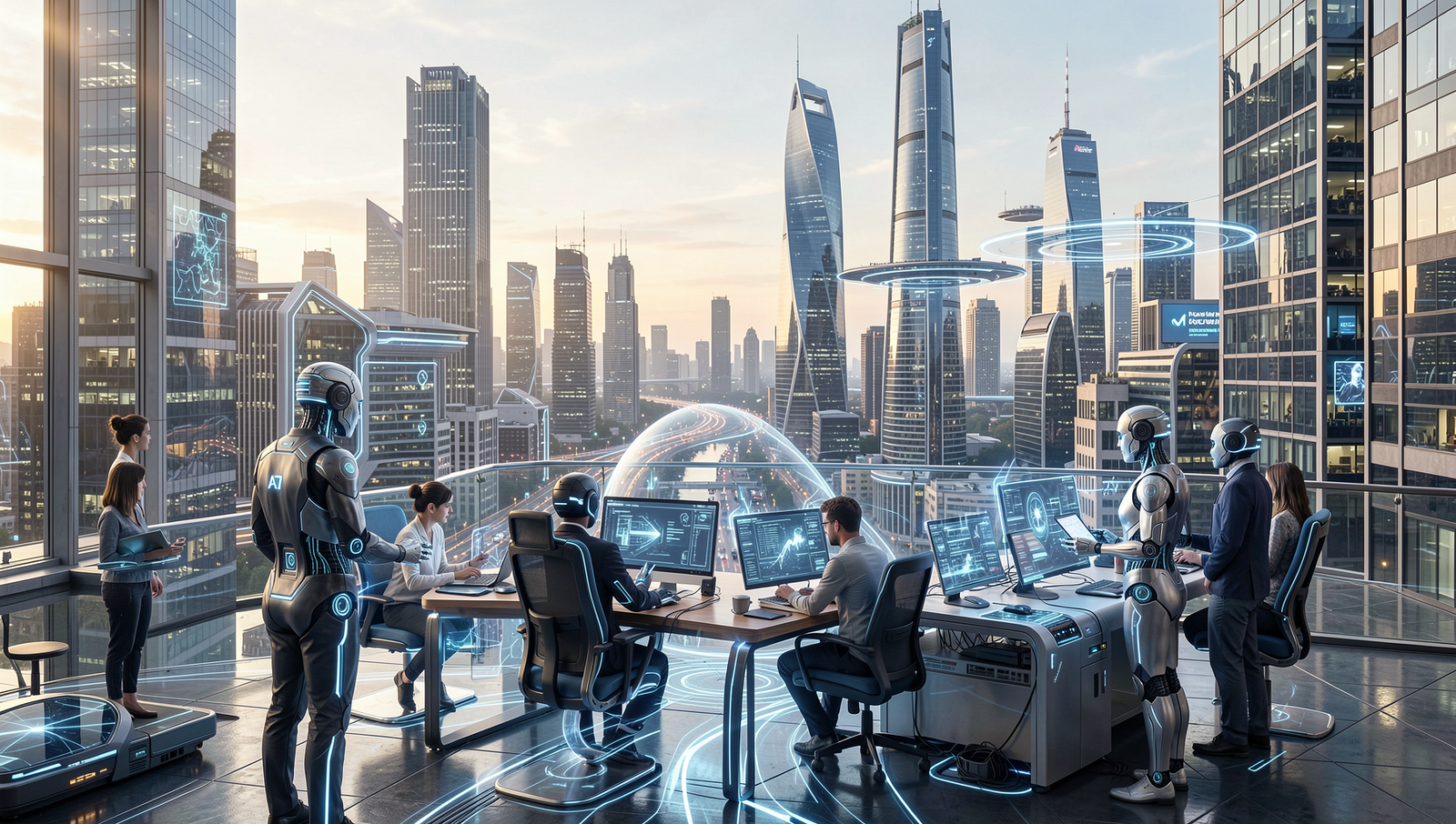
As we approach 2026, the landscape of work is increasingly shaped by the integration of artificial intelligence (AI) technologies. One of the most significant contributions of AI in the workplace is its ability to automate repetitive tasks. This capability allows human workers to focus on more complex and creative aspects of their jobs. For instance, AI can handle data entry, scheduling, and basic customer inquiries, freeing up time for employees to engage in strategic planning or innovative projects.
However, while AI excels in efficiency, human oversight remains crucial in decision-making processes. AI systems can analyze vast amounts of data and provide insights, but they lack the emotional intelligence and ethical reasoning that humans possess. For example, in hiring processes, AI can screen resumes and identify suitable candidates, but human recruiters are essential for assessing cultural fit and interpersonal skills. This collaboration between AI tools and human workers enhances productivity while ensuring that critical human elements are not overlooked.
- Automation of Repetitive Tasks: AI can streamline processes such as inventory management and report generation.
- Human Oversight: Essential for nuanced decisions, particularly in areas like finance and healthcare.
- Collaboration: AI tools assist in brainstorming sessions, providing data-driven insights that inform human creativity.
- Limitations: AI struggles with understanding context and nuance, making it less effective in tasks requiring empathy or complex judgment.
In conclusion, the future of work will likely see a harmonious blend of AI and human capabilities. While AI vs Human dynamics will continue to evolve, the importance of human insight and creativity will remain irreplaceable in many fields.

AI in Creative Fields: Art, Music, and Writing
As we approach 2026, the landscape of creative fields is increasingly influenced by artificial intelligence. The debate surrounding AI vs Human creativity is more relevant than ever, as AI-generated art, music, and writing continue to evolve and gain acceptance among audiences.
AI-generated art has made significant strides, with algorithms capable of producing visually stunning pieces that can rival human artists. Platforms like DALL-E and Midjourney allow users to create unique artworks by simply inputting descriptive text. The reception of these works has been mixed; while some appreciate the innovation and novelty, others argue that AI lacks the emotional depth and context that human artists bring to their creations. This has sparked discussions about the value of originality and the essence of artistic expression.
- AI art can produce pieces in seconds, whereas human artists may take days or weeks.
- Some galleries now showcase AI-generated art, blurring the lines between human and machine creativity.
In the realm of music, AI tools like OpenAI’s MuseNet and AIVA are transforming how compositions are created. These systems can analyze vast libraries of music to generate new compositions across various genres. Musicians are beginning to collaborate with AI, using it as a tool to enhance their creative process. However, the question remains: can AI truly replicate the emotional resonance found in human-created music?
Writing is another area where AI has made significant inroads. Tools like Grammarly and ChatGPT assist writers by providing suggestions and generating content. While these tools can enhance productivity and offer valuable feedback, they often lack the nuanced understanding of human experiences that enrich storytelling. The effectiveness of AI-assisted writing is evident, yet it raises questions about authenticity and the role of the human touch in literature.
Ultimately, the ongoing dialogue between AI vs Human creativity challenges us to reconsider the definitions of art and expression. As AI continues to advance, the collaboration between human creativity and artificial intelligence may lead to new forms of artistic innovation, enriching our cultural landscape in ways we have yet to fully comprehend.
Future Implications: Ethics and Coexistence
As we look toward 2026, the conversation surrounding AI vs Human capabilities becomes increasingly complex, particularly when considering the ethical implications of artificial intelligence. Developers and policymakers must navigate a landscape filled with moral dilemmas, ensuring that AI is designed and deployed responsibly. Key ethical considerations include transparency in AI decision-making processes, accountability for AI actions, and the necessity of data privacy protections. These factors are critical in building trust between humans and AI systems.
Moreover, AI has the potential to significantly augment human capabilities rather than replace them. For instance, in healthcare, AI can analyze vast amounts of data to assist doctors in diagnosing diseases more accurately and quickly. This collaboration can lead to improved patient outcomes and more efficient healthcare systems. In creative fields, AI tools can help artists and writers generate new ideas, enhancing rather than diminishing human creativity.
However, the rise of AI also raises concerns about job displacement and economic impact. Many fear that automation will lead to widespread unemployment, particularly in sectors like manufacturing and customer service. To address these concerns, it is essential to develop strategies that foster human-AI collaboration. This can include:
- Investing in education and training programs to equip workers with skills relevant to an AI-driven economy.
- Encouraging businesses to adopt hybrid models where humans and AI work together, maximizing efficiency while retaining human oversight.
- Implementing policies that support workers transitioning from displaced jobs to new opportunities in emerging fields.
By prioritizing ethical considerations and fostering collaboration, we can create a future where AI and humans coexist harmoniously, enhancing each other’s strengths and addressing the challenges that arise in this evolving landscape.
Conclusion
As we look ahead to 2026, the debate of AI vs Human capabilities continues to evolve. The advancements in artificial intelligence have the potential to revolutionize various sectors, including healthcare, finance, and education. AI systems are becoming increasingly adept at performing tasks that require data analysis, pattern recognition, and even creative problem-solving. However, it is essential to recognize that while AI can enhance efficiency and productivity, it lacks the emotional intelligence and ethical reasoning that humans possess. This distinction is crucial as we navigate the integration of AI into our daily lives.
Moving forward, the key to harnessing the benefits of AI lies in collaboration between humans and machines. By leveraging AI’s strengths while maintaining human oversight, we can create a balanced approach that maximizes productivity without sacrificing the human touch. As we continue to explore the possibilities of AI vs Human interactions, it is vital to prioritize ethical considerations and ensure that technology serves to enhance human capabilities rather than replace them.
Frequently Asked Questions
What advancements in AI can we expect by 2026?
By 2026, we can expect significant advancements in AI, including improved natural language processing, enhanced machine learning algorithms, and more sophisticated robotics. These developments will enable AI systems to perform complex tasks with greater efficiency and accuracy, transforming various industries.
How will AI impact job markets by 2026?
The impact of AI on job markets by 2026 will be profound, with automation potentially displacing certain jobs while creating new opportunities in tech and AI-related fields. Workers will need
About the Author