Chatbots vs AI Agents: What’s the Difference and Which Is Better?
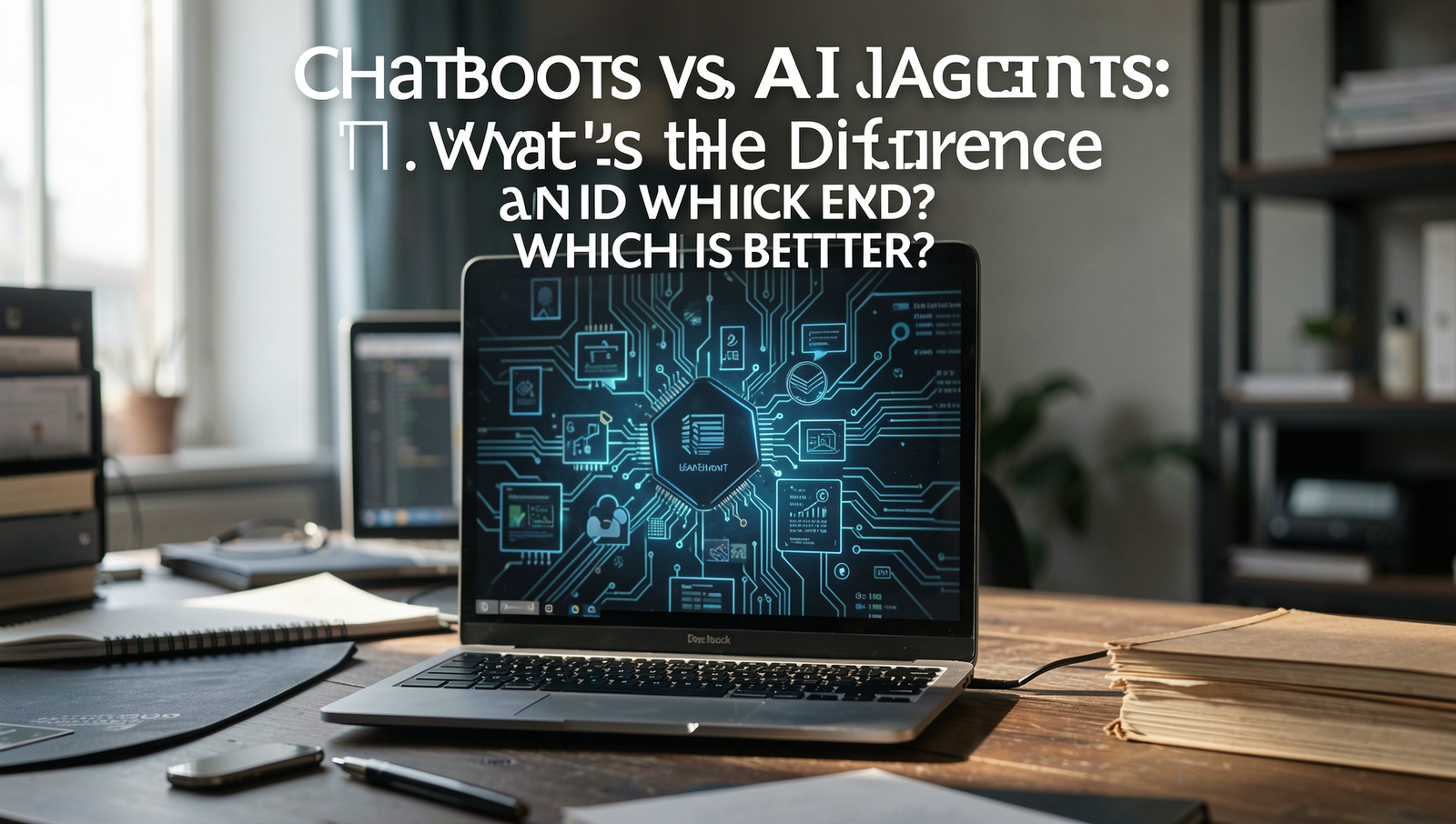
Exploring the differences between chatbots and AI agents.
8 min read • 1,638 words
Table of Contents
ToggleChatbots vs AI Agents: What’s the Difference and Which Is Better?
In the rapidly evolving landscape of technology, understanding the distinction between chatbots and AI agents is crucial for businesses and consumers alike. As organizations increasingly adopt these tools for customer service and engagement, knowing their differences can significantly impact operational efficiency and user experience. This article delves into the key characteristics of chatbots vs AI agents, highlighting their functionalities, limitations, and advantages.
Readers will learn that chatbots are primarily designed for specific tasks, often relying on scripted responses to address user inquiries. In contrast, AI agents leverage machine learning algorithms to enhance their capabilities over time, allowing them to understand context and manage more complex interactions. While chatbots are generally more cost-effective and simpler to implement, AI agents offer a more sophisticated solution, albeit at a higher development and maintenance cost. Understanding these differences will help you make informed decisions about which technology best suits your needs.
Introduction to Chatbots and AI Agents
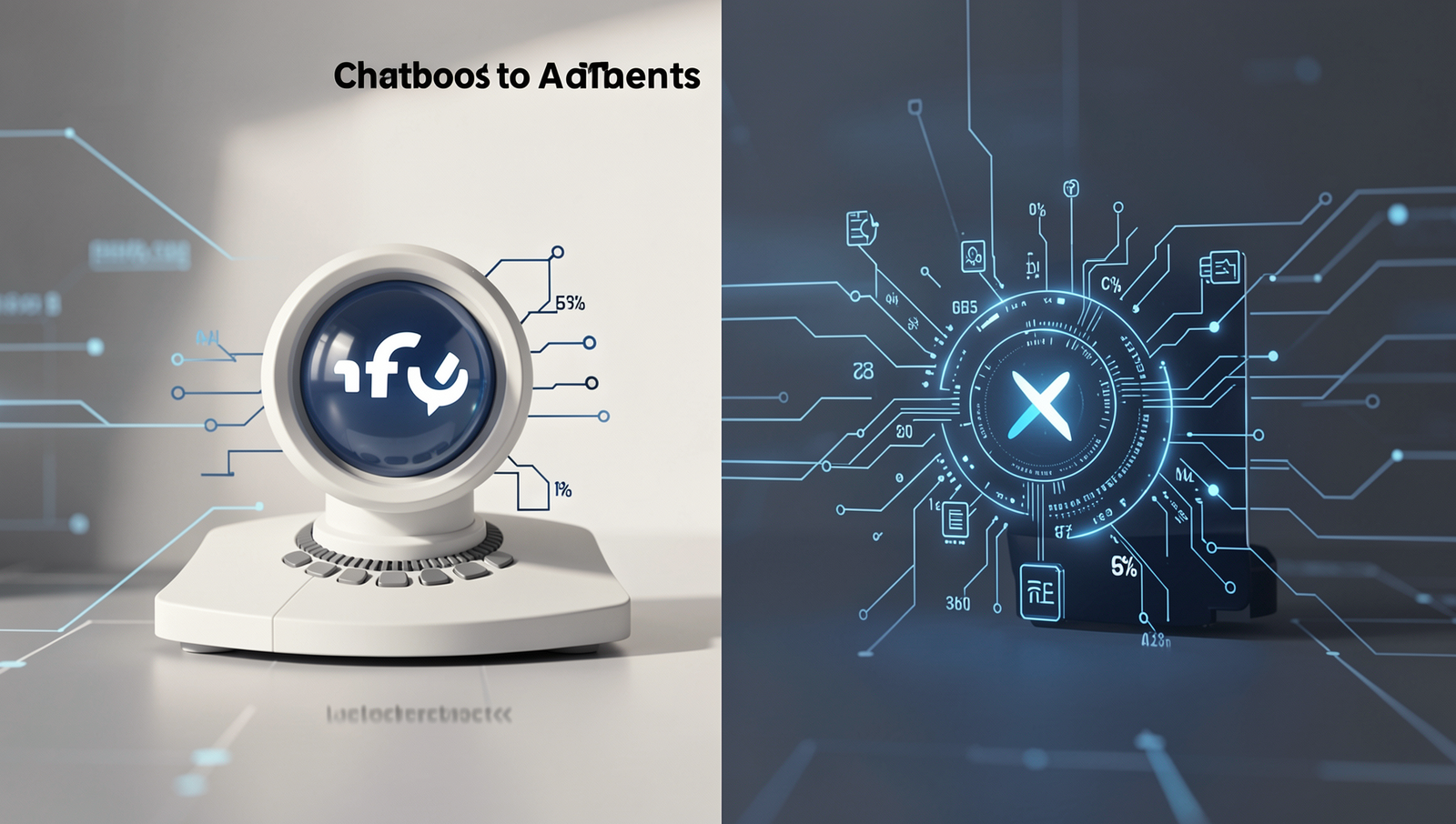
In the rapidly evolving landscape of technology, the terms “chatbots” and “AI agents” are often used interchangeably, yet they represent distinct concepts. Chatbots are automated programs designed to simulate conversation with human users, typically through text or voice interactions. They are primarily rule-based or utilize natural language processing (NLP) to understand and respond to user queries. On the other hand, AI agents are more advanced systems that can learn from interactions, make decisions, and perform tasks autonomously, often incorporating machine learning and artificial intelligence.
The historical context of these technologies reveals significant evolution over the years. Chatbots have their roots in the 1960s with programs like ELIZA, which mimicked human conversation. Over the decades, advancements in NLP and machine learning have led to more sophisticated chatbots, capable of handling complex queries and providing personalized responses. AI agents, however, emerged later, gaining traction in the 21st century with the rise of big data and improved algorithms. They can analyze vast amounts of information, adapt to user behavior, and even predict future needs.
Common use cases for chatbots include customer service, where they handle inquiries and provide support 24/7, and in e-commerce, where they assist with product recommendations. AI agents, meanwhile, are often employed in more complex scenarios, such as virtual personal assistants like Siri or Alexa, which can manage schedules, control smart home devices, and learn user preferences over time.
Understanding the differences between chatbots and AI agents is crucial for businesses and developers. While chatbots can enhance user engagement and streamline communication, AI agents offer a more dynamic and intelligent approach to problem-solving. Recognizing these distinctions allows organizations to choose the right technology for their specific needs.
Key Differences Between Chatbots and AI Agents
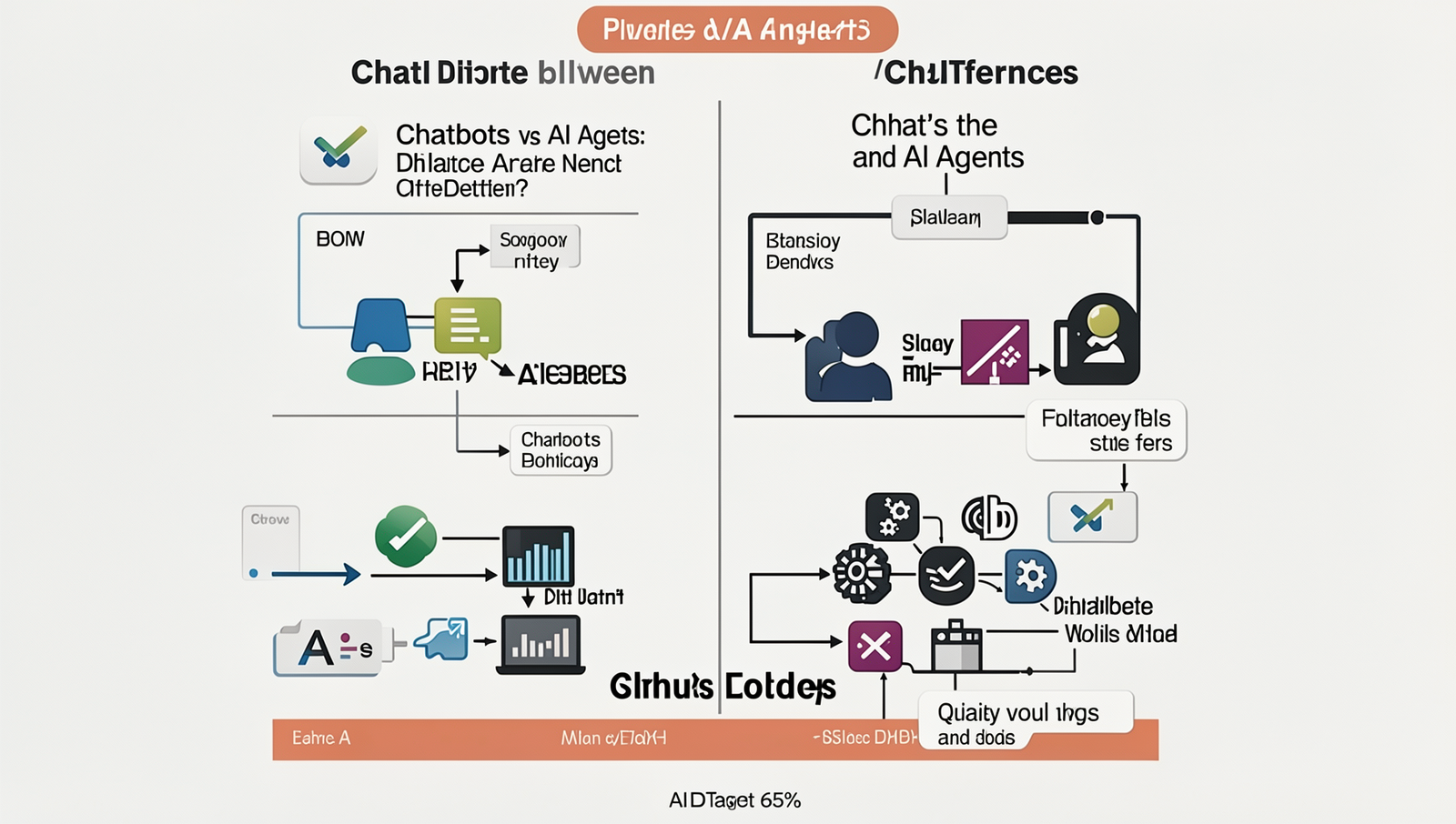
When discussing chatbots vs AI agents, it is essential to understand the fundamental differences that set them apart. One of the primary distinctions lies in their level of complexity and intelligence. Chatbots are typically programmed to handle straightforward tasks and respond to specific queries using predefined scripts. In contrast, AI agents leverage advanced machine learning algorithms and natural language processing to understand context, learn from interactions, and provide more nuanced responses.
Another significant difference is their interaction capabilities. Chatbots primarily operate through text-based interfaces, making them suitable for simple customer service inquiries or FAQs. On the other hand, AI agents can engage users through both text and voice, offering a more versatile communication experience. For example, virtual assistants like Siri or Alexa can understand voice commands and respond accordingly, providing a seamless user experience.
Integration with other systems and platforms is another area where AI agents often outshine chatbots. While chatbots may be limited to specific applications, AI agents can connect with various software and services, allowing for a more comprehensive solution. For instance, an AI agent can integrate with a customer relationship management (CRM) system to provide personalized recommendations based on user data.
- User Experience: AI agents tend to offer a more personalized experience by adapting to user preferences and behaviors over time.
- Task Complexity: Chatbots are ideal for simple tasks, while AI agents excel in handling complex queries and multi-step processes.
- Learning Capabilities: AI agents can learn from past interactions, improving their responses and efficiency over time.
In conclusion, while both chatbots and AI agents serve valuable roles in digital communication, their differences in complexity, interaction capabilities, integration, and user experience highlight the advantages of AI agents for more sophisticated applications.

Advantages and Disadvantages of Chatbots
Chatbots have gained significant traction in various industries due to their cost-effectiveness and ease of implementation. Businesses can deploy chatbots without the need for extensive resources, making them an attractive option for small to medium enterprises. For instance, a retail company can integrate a chatbot on its website to handle customer inquiries, reducing the need for a large customer service team. This not only cuts down on labor costs but also allows for quicker responses to customer queries.
However, chatbots come with limitations. One of the primary disadvantages is their limited understanding of context and nuance. While they can handle straightforward questions and commands, they often struggle with complex inquiries that require a deeper understanding of human emotions or context. For example, if a customer asks a chatbot for help with a specific issue that involves multiple steps or emotional nuances, the chatbot may provide generic responses that do not adequately address the problem.
Chatbots are best suited for simple tasks and frequently asked questions (FAQs). They excel in providing quick answers to common queries, such as store hours, product availability, or basic troubleshooting steps. This makes them an excellent tool for businesses looking to streamline their customer service operations.
- Scalability: Chatbots can handle thousands of inquiries simultaneously, making them highly scalable.
- Availability: They operate 24/7, ensuring that customers can receive assistance at any time, which is particularly beneficial for global businesses.
In summary, while chatbots offer several advantages, including cost savings and scalability, their limitations in understanding complex queries can hinder their effectiveness in more nuanced interactions. When considering the debate of chatbots vs AI agents, it is essential to weigh these factors carefully.
Advantages and Disadvantages of AI Agents
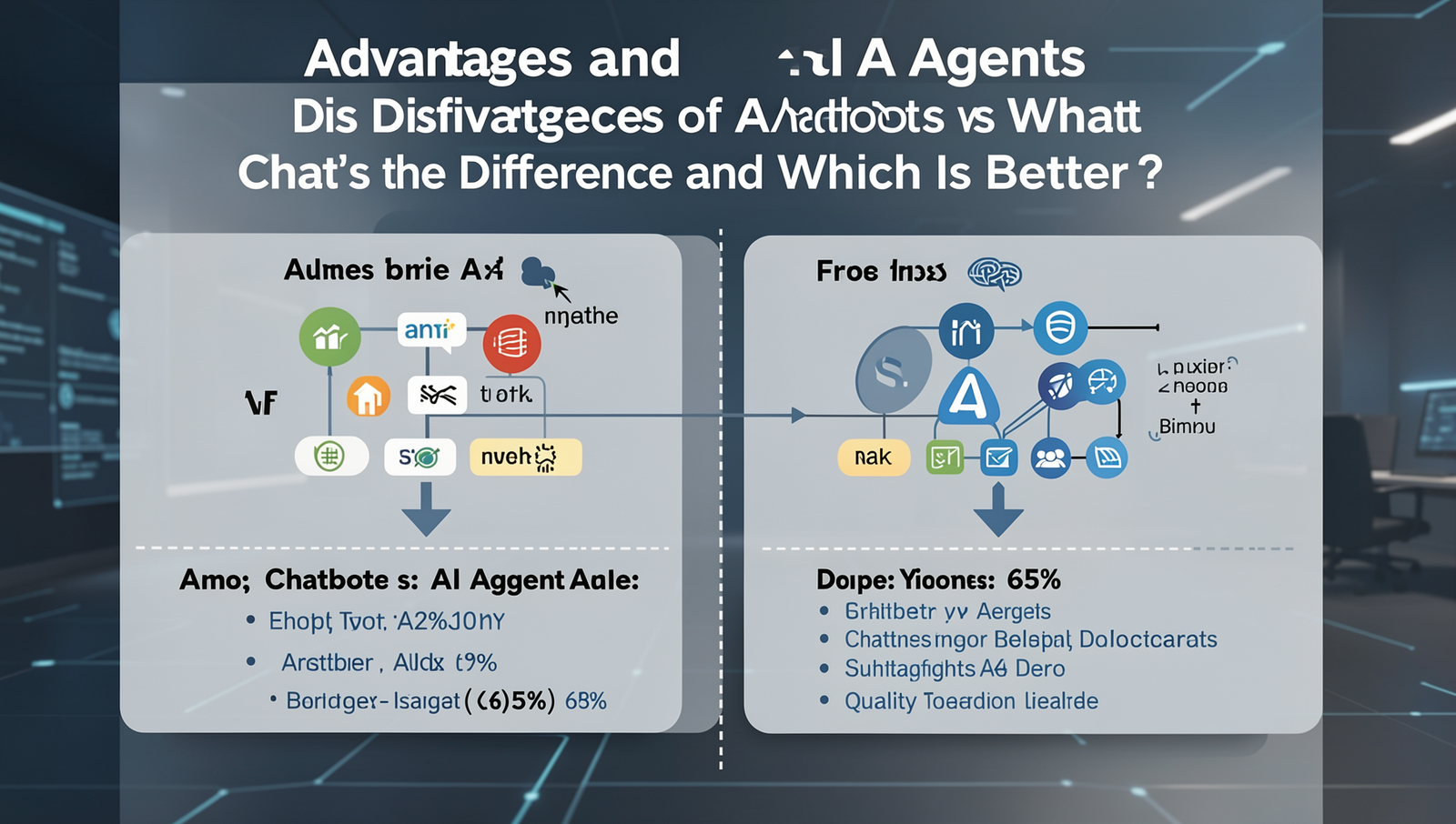
AI agents offer several advantages over traditional chatbots, primarily due to their higher level of understanding and adaptability. Unlike chatbots, which often rely on predefined scripts and keywords, AI agents utilize advanced machine learning algorithms to comprehend context and nuances in conversation. This allows them to provide more relevant and accurate responses, enhancing the overall user experience.
One of the key benefits of AI agents is their ability to handle complex queries and tasks. For instance, while a chatbot might struggle with a multi-step customer service issue, an AI agent can analyze the situation, understand the user’s needs, and guide them through the resolution process. This capability not only improves efficiency but also reduces the need for human intervention in many scenarios.
Moreover, AI agents have the potential for greater user engagement and satisfaction. By delivering personalized interactions based on user behavior and preferences, they can create a more tailored experience. For example, an AI agent in a retail setting can recommend products based on previous purchases, leading to increased sales and customer loyalty.
However, there are also disadvantages to consider. The development and maintenance costs of AI agents are typically higher than those of chatbots. Implementing sophisticated AI technologies requires significant investment in both time and resources. Additionally, ongoing updates and training are necessary to ensure the AI agent continues to perform effectively as user needs evolve.
- Advantages:
- Higher understanding and adaptability
- Ability to handle complex queries
- Greater user engagement
- Disadvantages:
- Higher development costs
- Increased maintenance requirements
In conclusion, while the debate of chatbots vs AI agents continues, understanding the advantages and disadvantages of AI agents is crucial for businesses looking to enhance their customer interaction strategies.
Conclusion
In the ongoing debate of chatbots vs AI agents, it is essential to recognize the distinct functionalities and applications of each technology. Chatbots are primarily designed for straightforward interactions, often handling basic queries and providing immediate responses. They excel in environments where quick, scripted answers are sufficient. On the other hand, AI agents leverage advanced machine learning and natural language processing capabilities to understand context, learn from interactions, and provide more nuanced responses. This makes them suitable for complex tasks that require a deeper understanding of user intent.
Ultimately, the choice between chatbots and AI agents depends on the specific needs of a business or organization. For those seeking efficient customer service solutions with limited complexity, chatbots may be the better option. However, for enterprises looking to enhance user engagement through personalized experiences, investing in AI agents could yield significant benefits. As technology continues to evolve, understanding these differences will be crucial for making informed decisions.
Frequently Asked Questions
What is a chatbot?
A chatbot is a software application designed to simulate conversation with human users, especially over the Internet. They can handle simple queries and provide information through text or voice, often used in customer service to improve user engagement and efficiency.
What is an AI agent?
An AI agent is a more advanced system that utilizes artificial intelligence to perform tasks autonomously. Unlike chatbots, AI agents can learn from interactions, adapt to new information, and make decisions, making them suitable for complex problem-solving and personalized experiences.
What are the main differences between chatbots and AI agents?
The main differences lie in their capabilities and complexity. Chatbots typically follow predefined scripts and handle basic interactions, while AI agents leverage machine learning and natural language processing to understand context, learn from interactions, and provide more nuanced responses.
Which is better for customer service,
About the Author