Best AI Writing Tools in 2026: Features, Pricing, and Top Picks
Explore the best AI writing tools of 2026.
7 min read • 1,550 words
Table of Contents
ToggleBest AI Writing Tools in 2026: Features, Pricing, and Top Picks
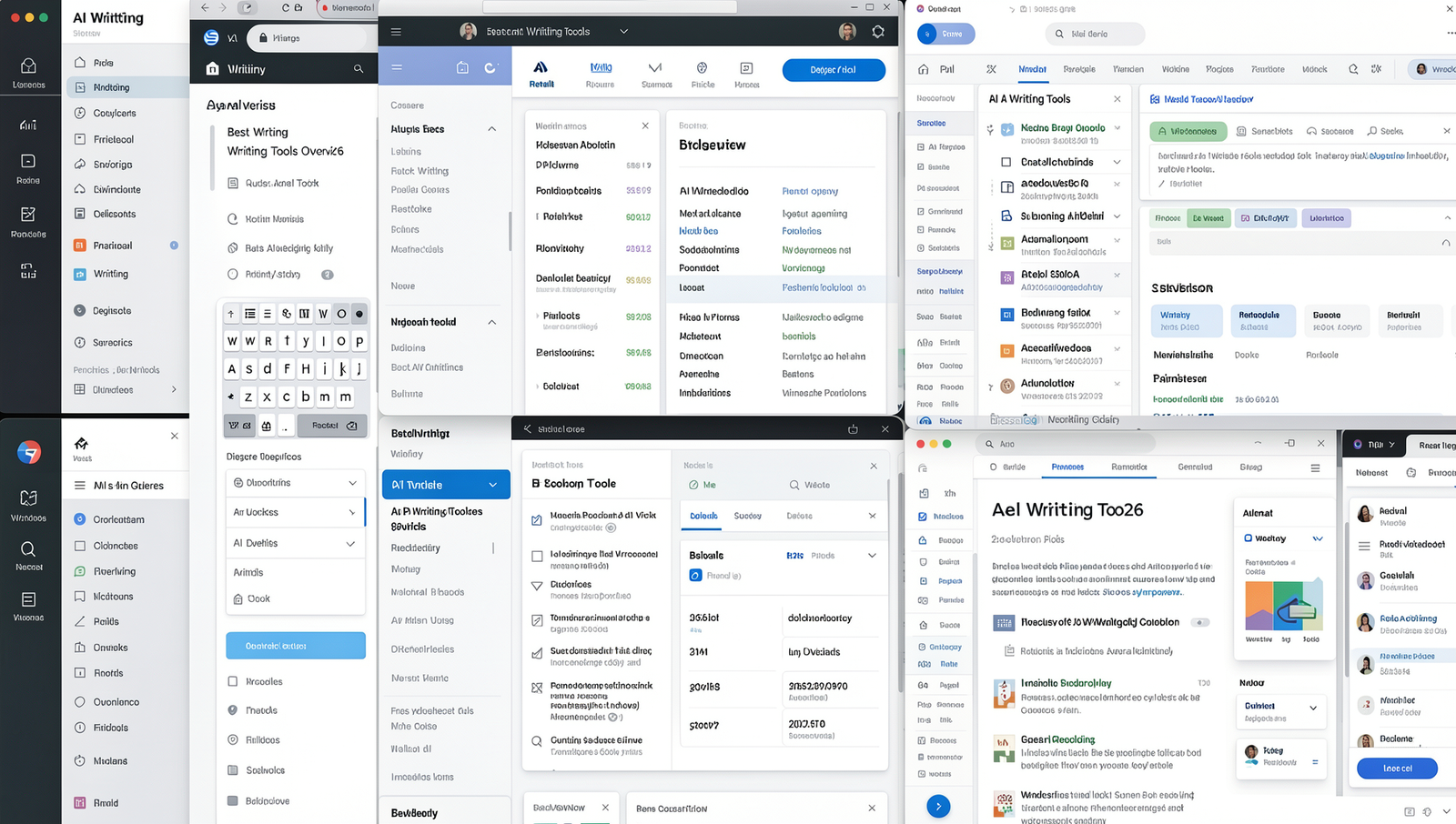
As we step into 2026, the landscape of content creation is being transformed by the best AI writing tools available today. These advanced tools leverage cutting-edge natural language processing capabilities, allowing users to generate high-quality content that closely mimics human writing. This article will explore the top AI writing tools of 2026, highlighting their key features, pricing structures, and the reasons why they are essential for writers, marketers, and businesses alike.
Readers will learn about features such as real-time collaboration, plagiarism detection, and multilingual support that enhance the writing process. Additionally, we will discuss the pricing for premium AI writing tools, which typically ranges from $10 to $50 per month, depending on the features offered. With user satisfaction ratings averaging around 4.5 out of 5 stars, understanding these tools is crucial for anyone looking to improve their writing efficiency and effectiveness in the digital age.
Conclusion
As we look ahead to 2026, the landscape of AI writing tools continues to evolve, offering users an impressive array of features designed to enhance productivity and creativity. The best AI writing tools in 2026 not only provide advanced grammar and style suggestions but also incorporate contextual understanding and personalized writing assistance. These tools are becoming indispensable for content creators, marketers, and professionals seeking to streamline their writing processes while maintaining high-quality output. With competitive pricing models, users can find solutions that fit their budgets without compromising on functionality.
To make the most of these advancements, it is essential to stay informed about the latest developments in AI writing technology. Exploring various options and understanding their unique features will empower users to select the best AI writing tools for their specific needs. As we embrace these innovations, the potential for enhanced communication and creativity in writing is limitless, paving the way for a more efficient and inspired writing experience in the years to come.
Real-World Examples
As we delve into the best AI writing tools of 2026, it’s essential to explore how these tools are being utilized in various industries. By examining real-world applications, we can better understand their capabilities and the value they bring to users. Here are some notable examples across different sectors:
1. **Content Creation for Marketing Agencies**: Marketing agencies are increasingly adopting AI writing tools to streamline their content creation processes. For instance, a digital marketing firm might use an AI tool like Jasper to generate blog posts, social media content, and email newsletters. By inputting specific keywords and target audience details, the AI can produce engaging content that resonates with readers. This not only saves time but also allows marketers to focus on strategy and analytics.
2. **Academic Writing and Research**: In the academic world, tools like Grammarly and QuillBot are becoming invaluable for students and researchers. These platforms assist in drafting research papers, ensuring grammatical accuracy, and enhancing clarity. For example, a graduate student might use QuillBot to paraphrase complex texts, making them more accessible without losing the original meaning. This capability is particularly beneficial in producing literature reviews or synthesizing multiple sources into a cohesive narrative.
3. **E-commerce Product Descriptions**: E-commerce businesses are leveraging AI writing tools to generate compelling product descriptions that drive sales. Tools like Copy.ai can quickly create unique descriptions based on product features and target demographics. For instance, an online clothing retailer might input details about a new dress, and the AI can generate multiple variations of product descriptions that highlight its style, fabric, and fit. This not only enhances the shopping experience but also improves SEO performance.
4. **Social Media Management**: Social media managers are using AI writing tools to craft posts that engage audiences across platforms. A tool like Writesonic can analyze trending topics and suggest post ideas tailored to specific platforms like Instagram or Twitter. For example, a brand might use Writesonic to create a series of tweets promoting an upcoming event, ensuring that the messaging is concise, catchy, and aligned with current trends.
5. **Personalized Email Campaigns**: Email marketing remains a powerful tool for businesses, and AI writing tools are enhancing its effectiveness. Platforms like Mailchimp now incorporate AI features that help users generate personalized email content based on customer behavior and preferences. For instance, an online bookstore could use this feature to send tailored recommendations to customers based on their previous purchases, increasing the likelihood of repeat sales.
6. **Creative Writing and Storytelling**: Authors and screenwriters are also finding value in AI writing tools. Tools like Sudowrite assist in brainstorming ideas, developing characters, and even generating plot twists. A novelist might use Sudowrite to overcome writer’s block by inputting a brief outline and allowing the AI to suggest dialogue or scene descriptions. This collaboration between human creativity and AI assistance can lead to innovative storytelling.
7. **Legal Document Drafting**: In the legal field, AI writing tools are being used to draft contracts and legal documents more efficiently. Tools like LegalSifter can analyze legal language and suggest revisions to ensure compliance and clarity. For example, a law firm might utilize this tool to quickly generate non-disclosure agreements, saving hours of manual drafting while minimizing the risk of errors.
In summary, the best AI writing tools of 2026 are making significant impacts across various industries. Whether it’s enhancing marketing efforts, streamlining academic writing, or assisting in creative endeavors, these tools are proving to be indispensable resources for professionals looking to improve their writing efficiency and effectiveness.
Common Mistakes and How to Avoid Them
As we delve deeper into the world of AI writing tools in 2026, it’s essential to recognize common pitfalls that users often encounter. Understanding these mistakes can help you maximize the potential of the best AI writing tools available, ensuring that your writing is not only efficient but also effective.
One of the most prevalent mistakes is over-reliance on AI tools. While these tools are designed to assist and enhance your writing, they should not replace your unique voice and creativity. For instance, using an AI tool to generate entire articles without any personal input can lead to generic content that lacks authenticity. To avoid this, consider using AI as a brainstorming partner rather than a crutch. Start with your ideas, then use the AI tool to expand or refine them.
Another common error is neglecting to review and edit the AI-generated content. Many users assume that the output from AI writing tools is flawless, but this is far from the truth. AI can make grammatical errors, misinterpret context, or produce content that doesn’t align with your intended message. Always take the time to read through the generated text, making necessary adjustments to ensure clarity and coherence. A good practice is to read the content aloud, which can help you catch awkward phrasing or errors that you might overlook when reading silently.
Additionally, failing to customize the AI tool settings can lead to subpar results. Most of the best AI writing tools in 2026 come with various features that allow you to tailor the output to your needs. For example, you can adjust the tone, style, and length of the content. Familiarize yourself with these settings and experiment with them to find the optimal configuration for your writing projects.
Lastly, many users overlook the importance of providing clear prompts. The quality of the AI-generated content heavily relies on the input it receives. Vague or poorly structured prompts can lead to irrelevant or off-topic results. To avoid this, spend time crafting specific and detailed prompts that clearly outline what you want the AI to produce. For instance, instead of asking for “an article about technology,” specify “a 500-word article discussing the impact of AI on small businesses in 2026.” This clarity will help the AI generate more relevant and useful content.
By being aware of these common mistakes and taking proactive steps to avoid them, you can harness the full potential of the best AI writing tools in 2026, enhancing your writing process and producing high-quality content.
Frequently Asked Questions
What are the top AI writing tools in 2026?
In 2026, some of the leading AI writing tools include Jasper, Writesonic, and Copy.ai. These platforms offer advanced features like natural language processing, customizable templates, and collaborative writing capabilities, making them popular choices among writers and marketers alike.
What features should I look for in AI writing tools?
When selecting an AI writing tool, consider features such as grammar and style checking, content generation capabilities, user-friendly interfaces, and integration with other applications. Additionally, look for tools that offer real-time collaboration and support for multiple languages.
How much do AI writing tools cost in 2026?
The cost of AI writing tools in 2026 varies widely, ranging from free versions with limited features to premium subscriptions that can cost up to $50 per month. Many tools also offer tiered pricing based on usage and additional features.
Are AI writing tools suitable for all types of writing?
AI writing tools are versatile and can assist with various writing styles, including blog posts, marketing copy, and technical documentation. However, for highly creative or nuanced writing, human input is often necessary to achieve the desired tone and depth.
About the Author