PC vs Laptop in 2026: Which One Is Better for Your Needs?
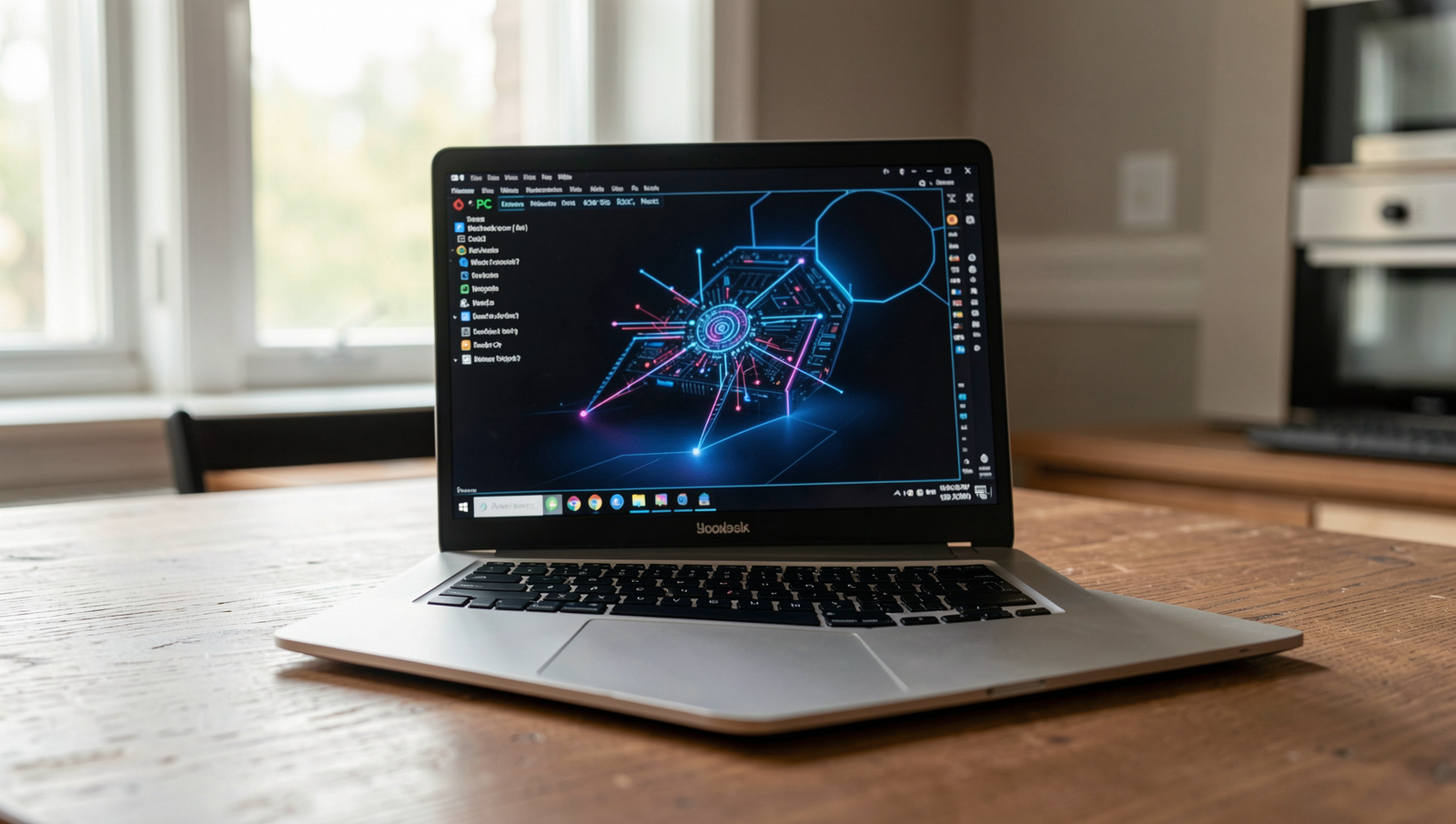
PC vs Laptop in 2026: A visual comparison for tech enthusiasts.
8 min read • 1,635 words
Table of Contents
TogglePC vs Laptop in 2026: Which One Is Better for Your Needs?
As we look ahead to 2026, the debate between PC vs Laptop continues to evolve, making it crucial for consumers to understand which option best suits their needs. With laptops expected to boast battery lives exceeding 20 hours, they are becoming increasingly portable and convenient for users who are always on the go. This significant improvement in battery technology means that users can work, play, and stream without the constant worry of finding a power outlet. On the other hand, PCs are anticipated to deliver superior performance, particularly for gaming and demanding tasks, thanks to advancements in desktop hardware.
In this article, readers will learn about the key differences between PCs and laptops in 2026, including factors such as affordability, performance, and upgradeability. With high-performance laptops projected to be available for under $800 and weighing less than 2.5 pounds, the landscape is shifting. Understanding these trends will help you make an informed decision tailored to your lifestyle and requirements.
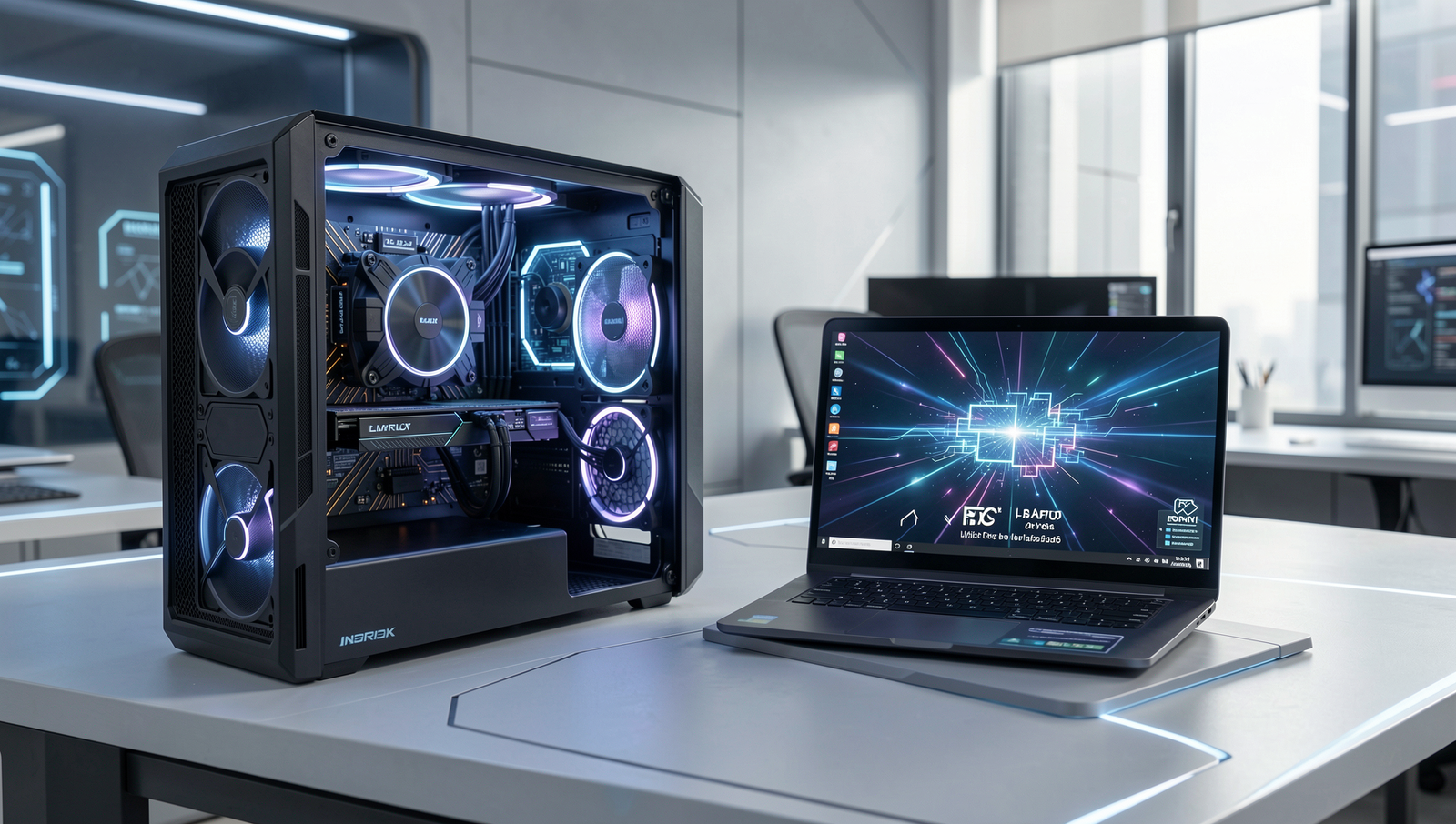
Introduction to PCs and Laptops in 2026
As we look ahead to 2026, the landscape of personal computing is evolving rapidly. Both PCs and laptops have undergone significant technological advancements, making them more powerful, efficient, and versatile than ever before. The introduction of new processors, enhanced graphics capabilities, and improved battery life are just a few examples of how these devices are adapting to meet the demands of modern users.
Choosing the right device for your needs has never been more critical. With a plethora of options available, understanding the specific requirements of your lifestyle and work habits can help you make an informed decision. For instance, gamers may prefer high-performance PCs with dedicated graphics cards, while professionals who travel frequently might lean towards lightweight laptops with extended battery life.
- Technological Advancements: By 2026, PCs are expected to feature advanced AI integration, allowing for smarter multitasking and enhanced user experiences. Laptops will likely incorporate foldable screens and improved connectivity options, such as 5G capabilities.
- Market Trends: The shift towards remote work and online education has influenced consumer preferences, with many opting for portable devices that offer flexibility without sacrificing performance.
- Consumer Preferences: Surveys indicate that users prioritize battery life, portability, and processing power when selecting a device, which highlights the importance of aligning features with personal needs.
Key factors influencing the decision between a PC vs Laptop in 2026 include performance requirements, budget constraints, and intended use cases. For example, a graphic designer may require a high-end PC for rendering, while a student might find a mid-range laptop sufficient for note-taking and research. Understanding these factors will ultimately guide consumers toward the device that best fits their lifestyle and work demands.
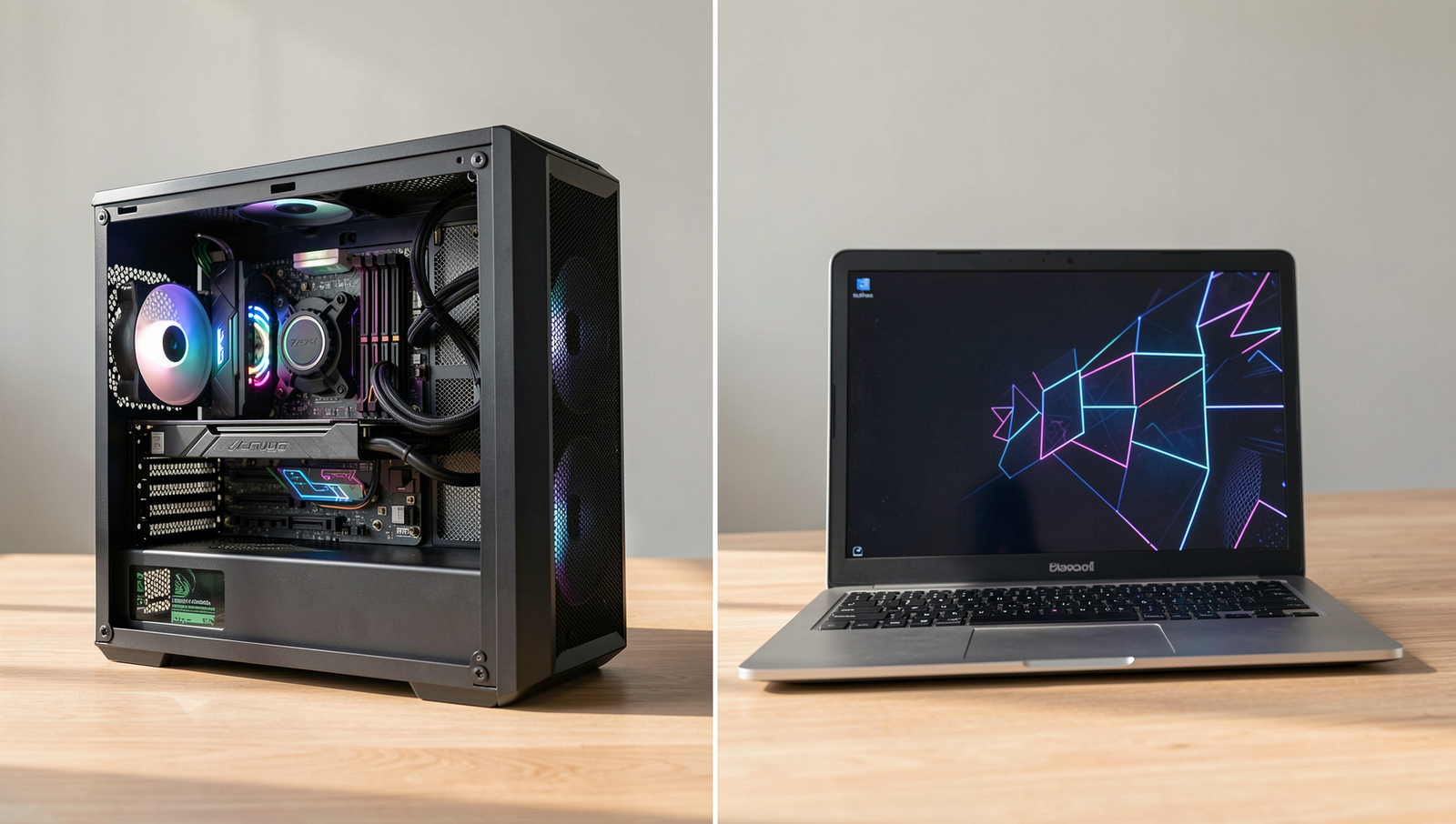
Performance Comparison: PCs vs Laptops
As we delve into the performance comparison of PCs and laptops in 2026, it’s essential to consider various factors that influence their capabilities. The advancements in technology have led to significant improvements in processing power and speed for both types of devices. PCs typically house more powerful processors, such as the latest multi-core CPUs, which can handle demanding applications and multitasking with ease. For instance, a high-end desktop equipped with a 16-core processor can outperform a laptop with a 6-core processor in tasks like video editing and 3D rendering.
On the other hand, laptops have made remarkable strides in their processing capabilities. With the introduction of energy-efficient chips and integrated graphics, many laptops can now compete with entry-level desktops. For example, a gaming laptop in 2026 may feature a powerful GPU like the NVIDIA RTX 4060, allowing it to run modern games at high settings without significant performance drops.
When it comes to graphics capabilities, both PCs and laptops cater to different needs. Gamers often prefer PCs for their superior graphics cards and upgradeability, which can enhance gaming experiences with higher frame rates and resolutions. Conversely, laptops are increasingly becoming viable options for creative professionals, thanks to advancements in mobile GPUs that support graphic-intensive tasks such as video editing and 3D modeling.
- Thermal Management: PCs generally have better thermal management systems, allowing for sustained performance during extended use. Laptops, while improving, may throttle performance under heavy loads due to heat constraints.
- Battery Life: Laptops excel in battery life, with many models offering up to 12 hours of use on a single charge, making them ideal for on-the-go professionals. PCs, however, rely on constant power supply, which can limit their portability.
- Energy Efficiency: Modern laptops are designed with energy efficiency in mind, often utilizing low-power components that reduce overall energy consumption compared to traditional desktops.
In conclusion, the choice between a PC and a laptop in 2026 largely depends on individual needs. For those prioritizing raw performance and upgradeability, a PC remains the superior choice. However, for users who value portability and battery life, a high-performance laptop can meet their requirements effectively.

Portability and Usability
As we move into 2026, the debate of PC vs Laptop continues to evolve, particularly in the realm of portability and usability. One of the most significant differences between these two types of devices is their weight and size. Typically, laptops are designed to be lightweight and compact, making them ideal for users who are always on the go. In contrast, desktop PCs are bulkier and require more space, which can limit their usability in various environments.
When considering user experience, the context in which the device is used plays a crucial role. For instance, at home, a desktop PC might provide a more powerful setup for gaming or graphic design, thanks to its superior hardware capabilities. However, for professionals who frequently travel or work in different locations, a laptop offers unmatched convenience. The ability to easily pack a laptop into a bag and work from a coffee shop, airport, or client meeting is a significant advantage.
Ergonomics and comfort are also essential factors to consider for long-term use. While desktops can be customized with ergonomic keyboards and adjustable monitors, laptops often come with built-in keyboards and screens that may not be as comfortable for extended periods. Users who spend long hours working on their devices might benefit from investing in external peripherals, such as a separate keyboard or mouse, to enhance their comfort.
- Weight: Laptops typically weigh between 2 to 5 pounds, while desktops can weigh upwards of 20 pounds.
- Size: Laptops are usually less than an inch thick, whereas desktops require more physical space.
- Connectivity: Laptops often come with built-in Wi-Fi and Bluetooth, while desktops may require additional adapters.
Ultimately, the choice between a PC and a laptop in 2026 will depend on individual needs and preferences. For users prioritizing mobility and flexibility, a laptop is likely the better option. Conversely, those seeking power and customization may find that a desktop PC meets their needs more effectively.
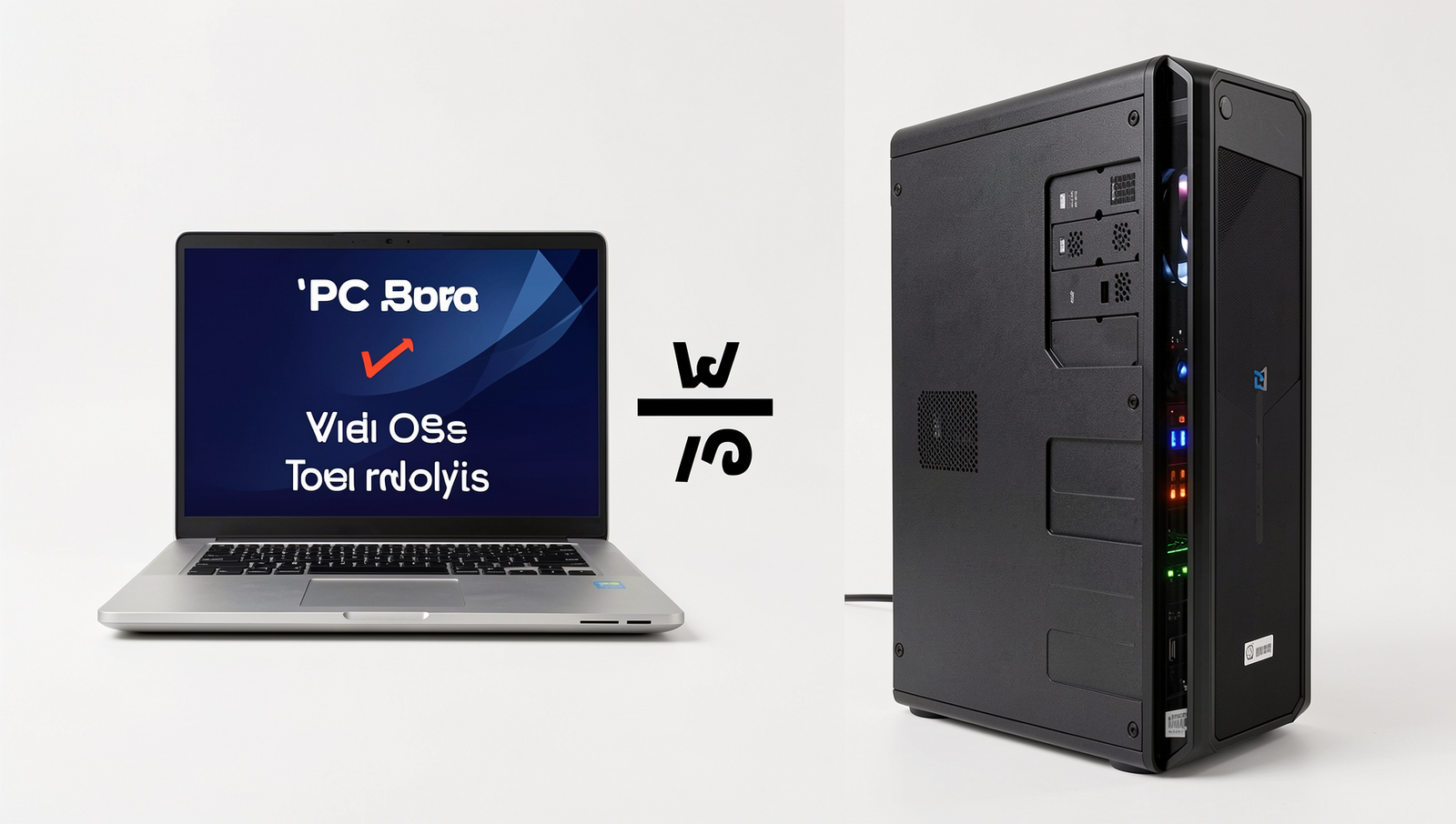
Cost and Value Analysis
When considering the PC vs Laptop 2026 debate, the initial purchase price is often a significant factor. Generally, desktop PCs tend to have a lower starting price compared to laptops with similar specifications. For instance, a mid-range gaming PC might cost around $800, while a comparable gaming laptop could easily exceed $1,200 due to the compact design and integrated components. This price difference can be attributed to the engineering required to fit powerful hardware into a smaller form factor.
However, the long-term value of each option must also be considered. PCs are typically more upgradable than laptops. Users can replace individual components like the graphics card, RAM, or storage without needing to buy a new machine. This upgradability can extend the lifespan of a PC significantly, making it a more cost-effective choice over time. In contrast, many laptops have soldered components, limiting upgrade options and often necessitating a full replacement after a few years.
In terms of total cost of ownership, it’s essential to factor in accessories and maintenance. PCs may require additional investments in peripherals such as monitors, keyboards, and mice, which can add to the initial cost. However, these accessories can often be reused across different systems. Laptops, on the other hand, come with built-in displays and keyboards, reducing initial accessory costs but may require more frequent maintenance due to their portable nature.
- Resale Value: PCs generally have a higher resale value due to their upgradability.
- Market Trends: As technology advances, high-end laptops are becoming more powerful, potentially increasing their resale value.
Ultimately, the decision between a PC and a laptop in 2026 will depend on individual needs and preferences, but understanding the cost and value dynamics is crucial for making an informed choice.
Conclusion
As we look ahead to 2026, the debate of PC vs Laptop continues to evolve, with each option presenting unique advantages tailored to different user needs. PCs typically offer superior performance, customization, and upgradeability, making them ideal for gamers, content creators, and professionals who require robust computing power. On the other hand, laptops provide unparalleled portability and convenience, catering to students, remote workers, and anyone who values mobility. The advancements in technology, such as improved battery life and powerful processors in laptops, are narrowing the performance gap, making them increasingly viable for demanding tasks.
Ultimately, the choice between PC vs Laptop in 2026 will depend on individual preferences and requirements. Consider your primary use cases, whether you prioritize power or portability, and evaluate your budget. As technology continues to advance, staying informed about the latest developments will help you make the best decision for your computing needs, ensuring that you invest in a device that serves you well for years to come.
Frequently Asked Questions
What are the main advantages of a PC over a laptop in 2026?
In
About the Author