Windows vs macOS in 2026: Which Operating System Is Better?
Windows vs macOS in 2026: A visual comparison.
8 min read • 1,636 words
Table of Contents
ToggleWindows vs macOS in 2026: Which Operating System Is Better?
As we look towards 2026, the debate of Windows vs macOS 2026 is heating up, with both operating systems poised to make significant advancements. Windows 12 is expected to introduce enhanced AI integration aimed at boosting productivity, making it a compelling choice for professionals and gamers alike. With support for a wider range of hardware configurations, Windows 12 is set to cater to a diverse user base, ensuring that more individuals can experience its capabilities.
On the other hand, macOS 15 is projected to prioritize user privacy and control, reflecting a growing concern for data security among consumers. Additionally, it is anticipated that macOS 15 will be optimized for Apple silicon chips, providing a seamless experience for users within the Apple ecosystem. This article will explore these developments, helping readers understand which operating system may best suit their needs in the coming years.
User Interface and Experience
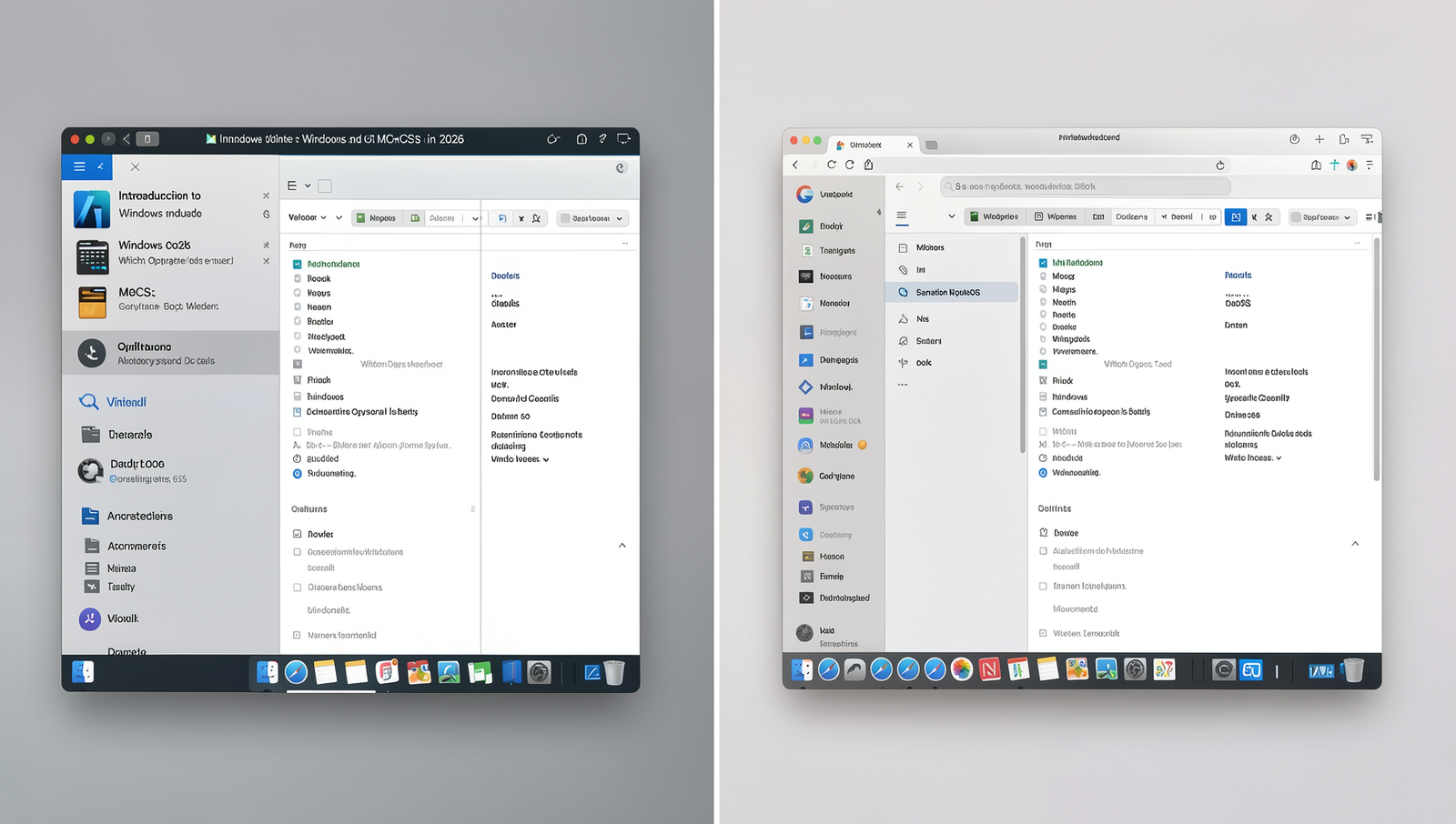
As we look ahead to 2026, the debate of Windows vs macOS continues to evolve, particularly in terms of user interface and experience. Both operating systems have distinct design philosophies that cater to different types of users. Windows tends to embrace a more utilitarian approach, offering a flexible interface that can be tailored to fit a variety of workflows. In contrast, macOS focuses on a streamlined and cohesive aesthetic, emphasizing simplicity and elegance in its design.
Customization options are a significant factor in this comparison. Windows provides users with extensive customization capabilities, allowing them to modify everything from the desktop background to the entire user interface through themes and third-party applications. Users can personalize their experience to a great extent, which is particularly appealing to advanced users who enjoy tweaking their systems. On the other hand, macOS offers limited customization options, prioritizing a consistent user experience over individual personalization. While users can change wallpapers and rearrange dock items, deeper modifications are generally restricted.
When considering ease of use, Windows has made strides to be more beginner-friendly, especially with its intuitive setup process and the introduction of features like the Windows Search function. However, macOS is often praised for its user-friendly interface, which many find easier to navigate, particularly for those who are less tech-savvy. The seamless integration of hardware and software in macOS can make it a more appealing choice for beginners.
- Accessibility Features: Both operating systems offer robust accessibility features. Windows includes tools like Narrator and Magnifier, while macOS provides VoiceOver and Switch Control.
- Effectiveness: The effectiveness of these features can vary based on user needs, but both systems strive to accommodate users with disabilities.
Ultimately, the choice between Windows vs macOS in 2026 will depend on individual preferences, whether one values customization, ease of use, or accessibility features more highly.
Performance and Compatibility
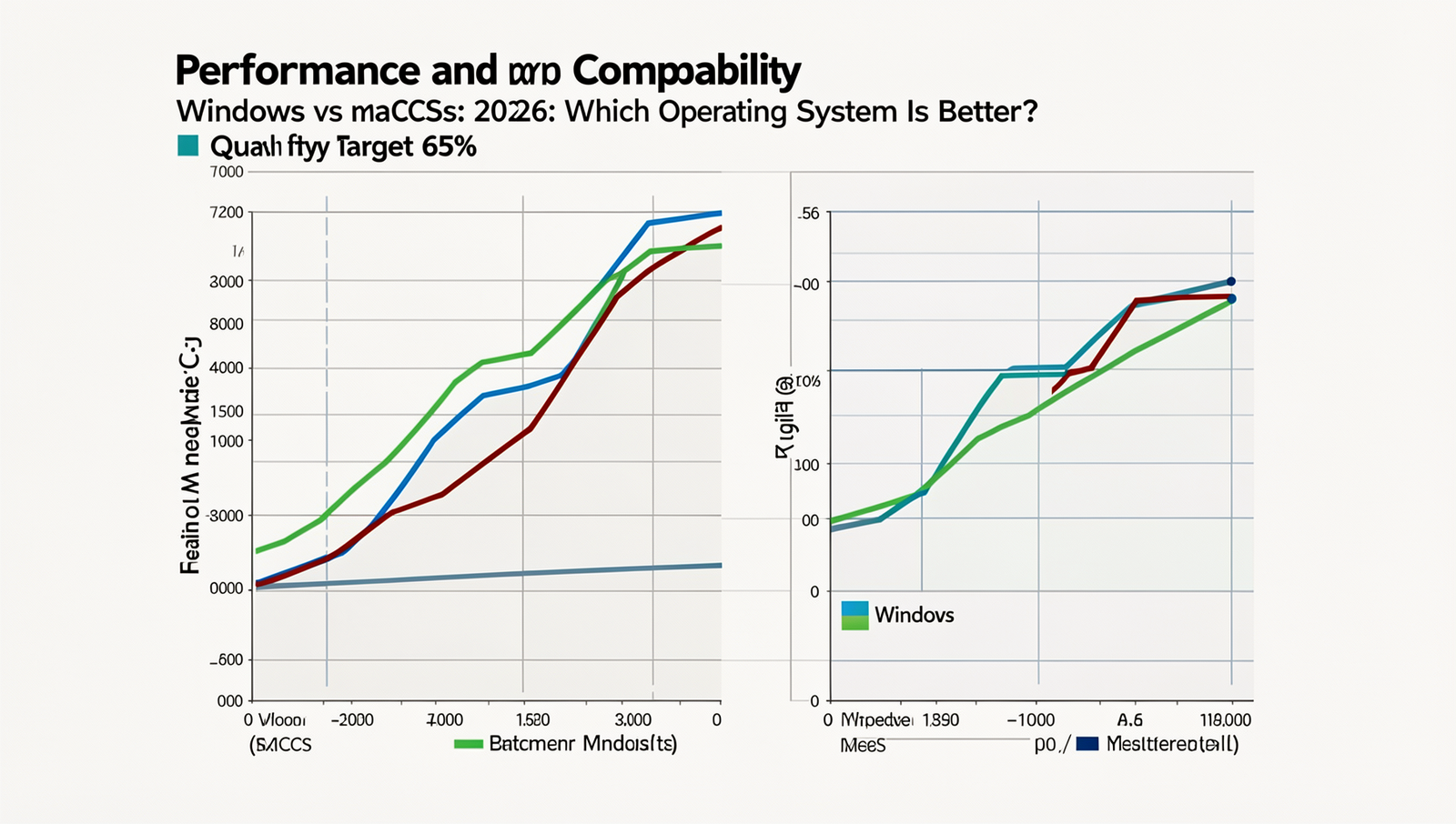
As we look ahead to 2026, the debate of Windows vs macOS continues to evolve, particularly in terms of performance and compatibility. Both operating systems have made significant strides, but they cater to different user needs and hardware configurations.
When it comes to system requirements and hardware compatibility, Windows generally offers a broader range of options. Users can run Windows on various hardware configurations, from budget laptops to high-end gaming rigs. In contrast, macOS is designed to work exclusively on Apple hardware, which can limit choices but often results in optimized performance. For example, the latest MacBook Pro models are equipped with Apple’s M1 and M2 chips, providing impressive power efficiency and speed.
- Windows: Compatible with a wide range of processors, graphics cards, and peripherals.
- macOS: Limited to Apple devices, ensuring a tightly integrated ecosystem.
Performance benchmarks reveal that Windows excels in gaming, primarily due to its support for a larger library of games and better graphics card compatibility. For instance, titles like “Cyberpunk 2077” and “Call of Duty: Modern Warfare” often run more smoothly on Windows systems. In contrast, macOS is favored for productivity tasks, particularly in creative fields, where software like Final Cut Pro and Logic Pro are optimized for Apple hardware.
Software availability is another critical factor in the Windows vs macOS 2026 discussion. Windows boasts a vast ecosystem of applications, including enterprise software and gaming titles. On the other hand, macOS offers a curated selection of high-quality applications, particularly for design and media production.
Virtualization and cross-platform capabilities are also essential. Windows supports various virtualization tools like VMware and VirtualBox, allowing users to run multiple operating systems simultaneously. macOS, while also capable of virtualization, tends to be more restrictive in terms of running Windows applications natively.

Security and Privacy
As we look towards 2026, the security and privacy features of Windows and macOS continue to evolve, reflecting the changing landscape of cyber threats and user expectations. Both operating systems have made significant strides in enhancing their security protocols, but they approach these challenges differently.
Windows has traditionally been more susceptible to malware due to its larger user base, making it a prime target for cybercriminals. However, Microsoft has implemented robust security features such as Windows Defender, which offers real-time protection against viruses and malware. Additionally, features like BitLocker encryption and Windows Hello biometric authentication provide users with advanced security options. In contrast, macOS has a reputation for being more secure out of the box, largely due to its Unix-based architecture and Apple’s stringent app review process. The Gatekeeper feature prevents unauthorized applications from being installed, while XProtect offers built-in malware detection.
- Windows Security Features:
- Windows Defender for real-time protection
- BitLocker for disk encryption
- Windows Hello for biometric authentication
- macOS Security Features:
- Gatekeeper for app verification
- XProtect for malware detection
- FileVault for full disk encryption
User privacy policies also differ significantly between the two operating systems. Microsoft has faced criticism for its data collection practices, often requiring users to opt-out of telemetry and data sharing. On the other hand, Apple emphasizes user privacy, with features like App Tracking Transparency that require apps to obtain user consent before tracking their data.
Looking ahead, both Windows and macOS are likely to continue enhancing their security measures. Windows may focus on integrating AI-driven security solutions to predict and mitigate threats, while macOS could further strengthen its privacy policies to maintain user trust. As the debate of Windows vs macOS 2026 unfolds, security and privacy will remain critical factors for users when choosing their operating system.
Conclusion
As we look ahead to 2026, the debate of Windows vs macOS continues to evolve, reflecting the changing needs of users and advancements in technology. Windows remains a strong contender with its extensive compatibility, flexibility, and robust gaming support, making it a preferred choice for many gamers and professionals. On the other hand, macOS is celebrated for its seamless integration with Apple’s ecosystem, user-friendly interface, and strong emphasis on security and privacy. Each operating system offers unique benefits that cater to different user preferences and requirements.
Ultimately, the decision between Windows and macOS in 2026 will depend on individual needs and priorities. Users should consider their specific use cases, such as gaming, creative work, or general productivity, when making a choice. As both platforms continue to innovate and improve, staying informed about updates and features will be crucial for users aiming to select the best operating system for their needs.
Real-World Examples
When considering the debate of Windows vs macOS in 2026, it’s essential to look at real-world applications and how users interact with these operating systems in their daily lives. Both platforms have made significant strides in usability, performance, and features, catering to different user needs.
For instance, in the realm of graphic design, many professionals still prefer macOS due to its robust software ecosystem. Applications like Adobe Creative Suite and Final Cut Pro are optimized for macOS, providing seamless performance and reliability. Designers often cite the superior color accuracy and display quality of Mac devices as a crucial factor in their choice. A graphic designer working on a high-profile campaign may choose a MacBook Pro for its Retina display and powerful processing capabilities, ensuring that every detail is captured accurately.
On the other hand, Windows has made significant inroads in the gaming community. With the rise of powerful graphics cards and gaming laptops, Windows remains the go-to platform for gamers. Titles like “Cyberpunk 2077” and “Call of Duty: Modern Warfare” run exceptionally well on Windows machines, thanks to compatibility with a wide range of hardware. Gamers often appreciate the flexibility of building custom PCs, allowing them to optimize their systems for performance. A gamer might choose a high-end Windows desktop to take advantage of this customization, ensuring they can achieve the highest frame rates and graphical fidelity.
In the business sector, Windows continues to dominate due to its compatibility with enterprise software. Many organizations rely on Microsoft Office and other business applications that are primarily designed for Windows. A project manager might use a Windows laptop to access project management tools like Microsoft Project, ensuring smooth collaboration with team members who are also using Windows devices. This compatibility can significantly enhance productivity and streamline workflows.
Ultimately, the choice between Windows vs macOS in 2026 will depend on the specific needs and preferences of users. Whether it’s for creative work, gaming, or business applications, both operating systems offer unique advantages that cater to diverse user bases.
Frequently Asked Questions
What are the main differences between Windows and macOS in 2026?
In 2026, Windows continues to offer extensive hardware compatibility and customization options, while macOS focuses on a streamlined user experience and integration with Apple devices. Windows is favored for gaming and business applications, whereas macOS excels in design and multimedia software.
Which operating system is more secure in 2026?
By 2026,
About the Author